why are you supposed to pee after sex Exclusive science behind urge
Every time intimacy ends, millions rush to the bathroom not by choice but biology. The sudden urge to urinate after sex is more than just a habit—it’s a complex interplay of anatomy, chemistry, and even psychology that science is only beginning to fully decode. From prostate stimulation in men to bladder sensitivity in women, the body’s post-coital response reveals how deeply sexual activity influences physiological systems far beyond pleasure.
Yet this universal experience remains shrouded in misconceptions, from dismissing it as harmless to fearing it signals pregnancy or disease. What if the answer lies not in cultural stigma but in the body’s finely tuned signals? Exploring the mechanics behind this urge exposes why hydration, age, and even sexual technique play critical roles—and when that bathroom trip could be a warning rather than just routine. The science is clear: urinating after sex isn’t optional; it’s a survival mechanism with layers most never consider.
The Physiology Behind the Urge: Why the Body Demands Urination After Sex
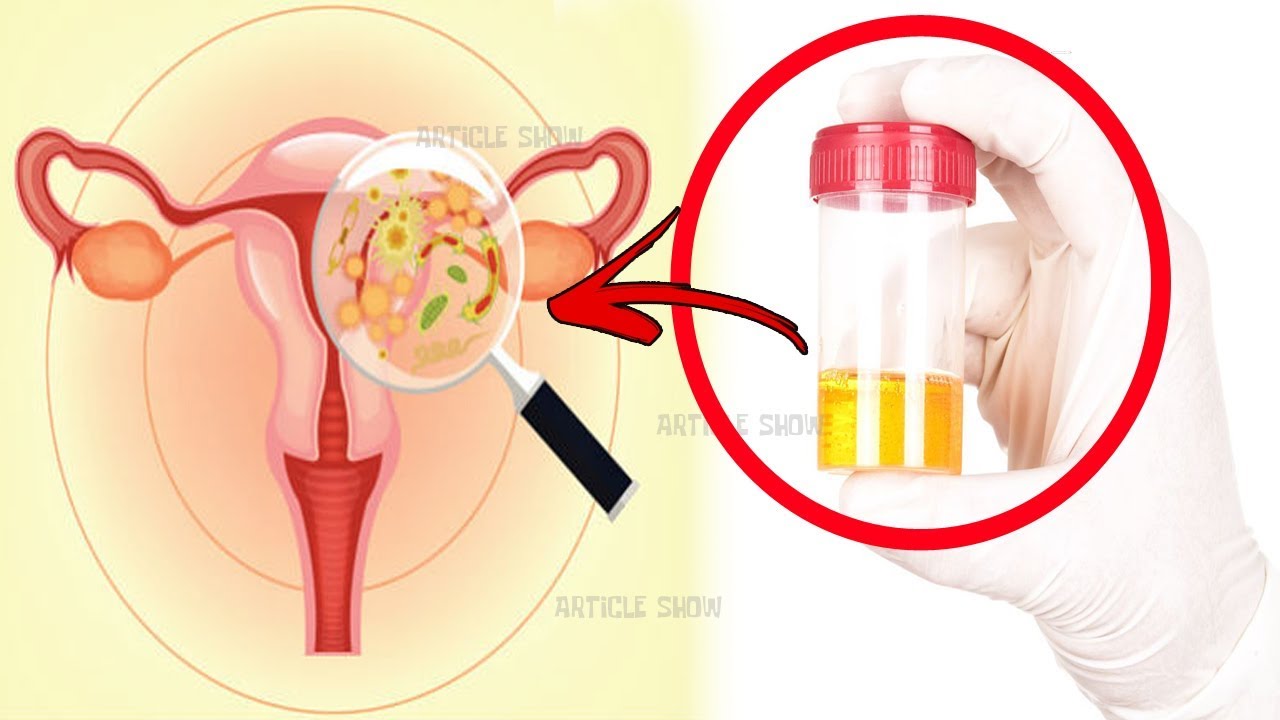
The human body exhibits a consistent physiological response after sexual activity: the sudden and often overwhelming urge to urinate. This phenomenon, while universally experienced, remains poorly understood beyond casual explanations. The mechanism involves a complex interplay of anatomical structures, neurological signals, and biochemical reactions that collectively trigger bladder sensitivity. In males, prostate stimulation and urethral irritation play dominant roles, while in females, pelvic floor muscle engagement and vaginal fluid dynamics contribute significantly. Understanding these processes requires dissecting the role of the pelvic anatomy, hormonal fluctuations, and the mechanical effects of sexual activity on the urinary system.
Anatomical and Neurological Mechanisms Triggering Post-Sex Urination

The urge to urinate after sex stems from a combination of mechanical stimulation and biochemical responses within the pelvic region. In males, ejaculation introduces semen into the urethra, a tube that carries both urine and semen. The prostate gland, which surrounds the urethra, secretes fluids that mix with sperm during ejaculation. This residual fluid can irritate the urethral lining, sending signals to the brain via the pudendal nerve, which innervates the pelvic organs. The detrusor muscle, responsible for bladder contractions, may also receive indirect stimulation through nerve pathways linked to genital arousal.
In females, the urethra is shorter and positioned closer to the vaginal opening, making it highly sensitive to friction and fluid accumulation. During sexual activity, vaginal lubrication and arousal fluids increase, which can pool near the urethral opening. Additionally, contractions of the pelvic floor muscles—such as the pubococcygeus (PC) muscles—during orgasm may exert pressure on the bladder, further stimulating the urge to urinate. The hypogastric plexus, a network of nerves supplying the bladder, relays signals to the central nervous system, amplifying the sensation of a full bladder.
A key difference between genders lies in the prostate’s role in males versus the urethral and vaginal sensitivity in females. While males experience direct irritation from semen and prostate fluids, females often feel pressure from increased blood flow to the pelvic region and mechanical stimulation during intercourse. Both mechanisms converge on the micturition reflex, a neurological loop that governs bladder emptying.
Table of Contents
- The Physiology Behind the Urge: Why the Body Demands Urination After Sex
- Anatomical and Neurological Mechanisms Triggering Post-Sex Urination
- Comparison of Physiological Responses Between Males and Females
- Step-by-Step Breakdown: How Semen and Vaginal Fluids Irritate the Urethra
- Post-Coital Diuresis: Hormonal Shifts and Fluid Dynamics
- Lesser-Known Physiological Factors Exacerbating Post-Sex Urinary Urge
- Medical and Health Implications: When Post-Sex Urination Signals Underlying Conditions
- Urinary Tract Infections (UTIs) and Post-Sex Bladder Irritation
- Prostatitis in Males: Chronic vs. Acute Post-Sex Urinary Discomfort
- Red Flags: Symptoms Requiring Immediate Medical Evaluation
- Interstitial Cystitis (IC) and Sexual Activity Triggers
- Differentiating Benign Causes from Serious Conditions: A Symptom Comparison
Comparison of Physiological Responses Between Males and Females
The anatomical differences between male and female pelvic structures lead to distinct physiological responses after sexual activity. Below is a structured comparison highlighting these variations:
| Anatomical Trigger | Gender | Physiological Effect | Common Sensation |
|---|---|---|---|
| Prostate stimulation and semen deposition | Male | Urethral irritation from residual semen and prostatic fluids; activation of the pudendal nerve. | Immediate burning or tingling sensation; strong urge to urinate within minutes. |
| Vaginal fluid accumulation and pelvic floor contractions | Female | Increased pressure on the bladder from fluid pooling; engagement of the detrusor muscle via the hypogastric plexus. | Sense of bladder fullness; urgency that may persist for 10–30 minutes. |
| Urethral friction during penetration | Both | Mechanical irritation of the urethral lining; inflammation of mucosal tissues. | Mild discomfort or urgency, particularly if lubrication is insufficient. |
| Hormonal release (oxytocin, prolactin) | Both | Enhanced pelvic congestion; increased blood flow to genitalia, indirectly affecting bladder sensitivity. | Generalized pelvic heaviness; heightened urinary urgency. |
The table illustrates how mechanical, biochemical, and neurological factors interact to produce the post-sex urinary urge. While males often experience a more immediate response due to semen’s direct contact with the urethra, females may feel a delayed but prolonged sensation tied to fluid dynamics and muscle engagement.
Step-by-Step Breakdown: How Semen and Vaginal Fluids Irritate the Urethra
The process by which semen or vaginal fluids trigger urination involves both chemical and mechanical irritation of the urethra. Below is a sequential explanation of the physiological events:
1. Fluid Introduction - In males, ejaculation deposits semen into the posterior urethra, where it mixes with prostatic fluids. This fluid contains enzymes (e.g., prostate-specific antigen (PSA)) and ions that can irritate the urethral mucosa. - In females, vaginal lubrication and arousal fluids (rich in glycogen and lactic acid) accumulate near the urethral opening during stimulation.
2. Mechanical Stimulation - The act of ejaculation or penetration causes friction against the urethral walls, particularly in positions that exert direct pressure (e.g., missionary or doggy style). This mechanical stress can micro-traumatize the urethral lining, triggering inflammatory responses. - Pelvic floor muscle contractions during orgasm may compress the bladder, increasing intravesical pressure and signaling the brain to initiate urination.
3. Chemical Irritation - Semen contains zinc, calcium, and magnesium, which can alter the pH of the urethral environment, leading to temporary irritation. Prostatic fluids may also contain prostaglandins, compounds that promote smooth muscle contraction, including those in the bladder. - Vaginal fluids, while less irritating than semen, can still cause mild chemical irritation if they contain high concentrations of lactic acid or bacterial byproducts, especially in individuals prone to urinary tract infections (UTIs).
4. Nerve Signal Transmission - The pudendal nerve (in males) and pelvic splanchnic nerves (in females) detect the irritation and transmit signals to the sacral spinal cord (S2-S4), where the micturition center is located. - The detrusor muscle, controlled by the parasympathetic nervous system, begins to contract in response to these signals, creating the sensation of a full bladder.
5. Hormonal Amplification - The release of oxytocin during orgasm enhances pelvic congestion and blood flow, which can indirectly increase bladder sensitivity. Additionally, vasopressin (antidiuretic hormone, ADH) levels may drop temporarily, reducing the body’s ability to reabsorb water, leading to increased urine production.
6. Behavioral Response - The brain interprets these combined signals as an urgent need to urinate. The limbic system, influenced by hormonal shifts, may amplify this response, particularly in individuals with heightened arousal or stress.
Post-Coital Diuresis: Hormonal Shifts and Fluid Dynamics
Post-coital diuresis refers to the increased production of urine following sexual activity, driven by hormonal changes and fluid intake during intimacy. This phenomenon is primarily attributed to the release of oxytocin, a hormone associated with bonding and relaxation, which also influences fluid balance. Oxytocin promotes vasodilation in the pelvic region, increasing blood flow and potentially reducing the body’s ability to concentrate urine. Concurrently, prolactin levels rise, which can counteract the effects of vasopressin, leading to greater water excretion.
Fluid intake during sex further contributes to post-coital diuresis. Many individuals consume alcohol or other beverages before or during sexual activity, which has a diuretic effect. Even without alcohol, the act of arousal and physical exertion can elevate core body temperature, causing the body to sweat and produce more urine to regulate temperature. Dehydration before sexual activity exacerbates this effect, as the body may have already begun conserving water, only to be overwhelmed by the sudden influx of fluids and hormonal signals.
A study published in the Journal of Urology (2016) found that individuals who were mildly dehydrated before sexual activity experienced a 30–40% increase in post-coital urine production compared to those who were well-hydrated. The researchers attributed this to the body’s compensatory mechanism to flush out accumulated toxins and excess fluids introduced during arousal.
Lesser-Known Physiological Factors Exacerbating Post-Sex Urinary Urge
Beyond the well-documented mechanisms of semen irritation and hormonal shifts, several lesser-known factors can intensify the urge to urinate after sex. These include:
1. Pelvic Congestion Syndrome - Chronic engorgement of pelvic veins can lead to increased pressure on the bladder, making individuals more sensitive to post-sex urinary urgency. This condition is more common in females and may be exacerbated by prolonged arousal or multiple orgasms.
2. Urethral Trauma from Friction - Rough
Medical and Health Implications: When Post-Sex Urination Signals Underlying Conditions
The urge to urinate immediately after sexual intercourse is typically harmless, driven by physiological responses such as prostate stimulation in males or bladder compression in females. However, when this sensation becomes frequent, painful, or persistent, it may indicate an underlying medical issue requiring attention. Understanding the distinction between normal post-coital urination and symptoms of serious conditions—such as urinary tract infections (UTIs), sexually transmitted infections (STIs), or neurological disorders—is critical for early intervention. Below, we explore the medical implications, diagnostic pathways, and red flags that warrant immediate medical evaluation, ensuring individuals recognize when to seek professional care.
Urinary Tract Infections (UTIs) and Post-Sex Bladder Irritation
Sexual activity can introduce bacteria into the urinary tract, increasing the risk of urinary tract infections (UTIs). During intercourse, friction and pressure may push bacteria from the urethra, vagina, or rectum toward the bladder, particularly in females due to anatomical proximity. In males, UTIs post-sex are less common but can occur if bacteria from the urethra or prostate are displaced.
Symptoms of post-sex UTIs include: - Dysuria (painful urination) – A burning sensation during or after urination. - Increased urgency or frequency – The need to urinate more often than usual, sometimes with only small amounts of urine. - Cloudy, strong-smelling, or bloody urine – Indicative of bacterial presence or inflammation. - Pelvic or lower abdominal pain – Often localized to the bladder or urethra. - Fever or chills – Suggestive of a kidney infection (pyelonephritis), a severe complication requiring urgent treatment.
Diagnosis and treatment involve urine culture and sensitivity testing to identify the bacteria and prescribe targeted antibiotics (e.g., nitrofurantoin, trimethoprim-sulfamethoxazole). Preventive measures include urinating before and after sex, staying hydrated, and avoiding spermicides, which can disrupt vaginal flora.
Prostatitis in Males: Chronic vs. Acute Post-Sex Urinary Discomfort
In males, the prostate gland surrounds the urethra, and sexual stimulation—including ejaculation—can cause temporary swelling or irritation. However, chronic prostatitis (also called chronic pelvic pain syndrome) may present with persistent urinary symptoms after sex, including: - Frequency and urgency – Similar to UTI symptoms but without bacterial infection. - Dull or aching pain in the perineum, lower back, or rectum. - Painful ejaculation – Often described as a sharp or burning sensation. - Hesitancy or weak urine stream – Due to prostate inflammation.
Acute bacterial prostatitis is less common but more severe, with symptoms like fever, chills, and systemic illness, often requiring hospitalization. Treatment depends on the type: - Acute bacterial prostatitis: IV antibiotics (e.g., fluoroquinolones) followed by oral antibiotics (e.g., ciprofloxacin). - Chronic prostatitis: Alpha-blockers (e.g., tamsulosin) to relax prostate muscles, antibiotics for bacterial strains, or prostatic massage in select cases. - Chronic pelvic pain syndrome: Lifestyle modifications, physical therapy, or low-dose antibiotics for flare-ups.
Key distinction: If symptoms persist beyond 48–72 hours or worsen, medical evaluation is necessary to rule out infection or structural issues.
Red Flags: Symptoms Requiring Immediate Medical Evaluation
Not all post-sex urinary symptoms are benign. The following warning signs demand prompt medical attention to prevent complications:
- Hematuria (blood in urine) – Can indicate UTIs, STIs (e.g., gonorrhea), bladder cancer, or kidney stones. Blood may appear pink, red, or brown and should never be ignored.
- Pelvic or abdominal pain radiating to the back – May signal kidney infection (pyelonephritis) or pelvic inflammatory disease (PID), both of which can lead to sepsis if untreated.
- Urgency lasting more than 2 hours post-sex – Suggests bladder irritation, overactive bladder, or neurological involvement, such as interstitial cystitis (IC).
- Fever above 101°F (38.3°C) with chills – Indicates a systemic infection (e.g., UTI progressing to pyelonephritis) requiring immediate antibiotics.
- Difficulty urinating (anuria or urinary retention) – A medical emergency that may result from prostate enlargement, urethral stricture, or nerve damage.
- Recurrent symptoms after treatment – Suggests antibiotic-resistant infections, STIs, or underlying anatomical issues (e.g., vesicoureteral reflux).
- New onset of incontinence or leakage – May reflect neurological conditions (e.g., multiple sclerosis) or pelvic floor dysfunction.
When in doubt, consult a healthcare provider. Delaying evaluation for these symptoms can lead to chronic infections, organ damage, or infertility.
Interstitial Cystitis (IC) and Sexual Activity Triggers
Interstitial cystitis (IC), a chronic bladder condition, affects 2–6% of the population, predominantly women. Sexual activity can trigger flare-ups due to: - Bladder wall irritation from pressure during intercourse. - Increased pelvic floor muscle tension, exacerbating pain. - Hormonal fluctuations, which may worsen IC symptoms in sensitive individuals.
Symptoms post-sex include: - Increased urinary urgency and frequency, sometimes with nocturia (nighttime urination). - Pelvic pain that worsens after sex. - Bladder filling sensation even when the bladder is empty.
Management strategies focus on reducing triggers: - Dietary modifications: Avoiding caffeine, alcohol, spicy foods, and artificial sweeteners, which irritate the bladder. - Stress reduction: Techniques like yoga, meditation, or biofeedback therapy to manage pelvic floor tension. - Bladder training: Gradually increasing urine volume tolerance to reduce urgency. - Medications: Amitriptyline (low-dose) for pain, pentosan polysulfate to repair bladder lining, or hyaluronic acid instillations for barrier protection. - Physical therapy: Pelvic floor exercises to improve muscle control.
Note: IC is often misdiagnosed as UTIs or overactive bladder. A cystoscopy with hydrodistention or potassium sensitivity test may be required for confirmation.
Differentiating Benign Causes from Serious Conditions: A Symptom Comparison
Post-sex urinary symptoms can stem from harmless physiological responses or serious underlying conditions. Below is a comparative table to help individuals assess their symptoms:
| Cause Category | Symptoms | When to See a Doctor | |
|---|---|---|---|
| Benign Causes | Dehydration | Dark urine, mild urgency, resolves with hydration. | If symptoms persist beyond 24 hours despite fluid intake. |
| Prostate massage (males) | Temporary urgency or clear urine discharge post-ejaculation. | If accompanied by pain, blood, or fever. | |
| Bladder compression (females) | Mild urgency during/after sex, no pain, resolves quickly. | If urgency persists >2 hours or is painful. | |
| Caffeine/alcohol consumption | Increased frequency, no burning or blood. | If symptoms last >48 hours or worsen. | |
| Serious Conditions | Urinary Tract Infection (UTI) | Burning, cloudy urine, fever, pelvic pain. | Immediately if fever >101°F or blood in urine. |
| Sexually Transmitted Infections (STIs)The next time the urge strikes, pause and recognize it as more than an inconvenience—it’s a biological checkpoint. Whether driven by fluid dynamics, nerve pathways, or hidden health risks, understanding why the body demands relief after intimacy transforms a mundane act into a window into systemic well-being. From debunking myths to identifying red flags, the key lies in listening closely to what the bladder is truly saying. Because in the silence between pleasure and urgency, the body speaks volumes—and science finally has answers. |
Leave a Comment
Comments are moderated before appearing. The data you submit is processed according to the Privacy Policy of Avecplaisirs.