VIP Download when can i have sex after a miscarriage timing explained clearly
After a miscarriage, the question of when to resume intimacy often lingers unanswered, blending medical uncertainty with emotional vulnerability. Physical recovery varies widely—some women heal within weeks, while others face prolonged healing, especially after procedures like D&C or late-term losses. Yet beyond the body’s timeline lies a deeper struggle: reconciling grief with the desire for closeness, navigating cultural taboos, and overcoming societal silence that treats miscarriage as an invisible loss.
Medical guidelines from the American College of Obstetricians and Gynecologists (ACOG) and other health authorities provide a framework, but individual experiences defy generalization. A 28-year-old woman recovering from an early miscarriage may feel ready in two weeks, while a 40-year-old after a late-term loss could need months—both physically and emotionally. This guide dissects the science behind recovery, debunks myths, and explores how couples rebuild intimacy without rushing or avoiding the healing process entirely.

Understanding the Medical Timeline: When Can Intimacy Resume After a Miscarriage?
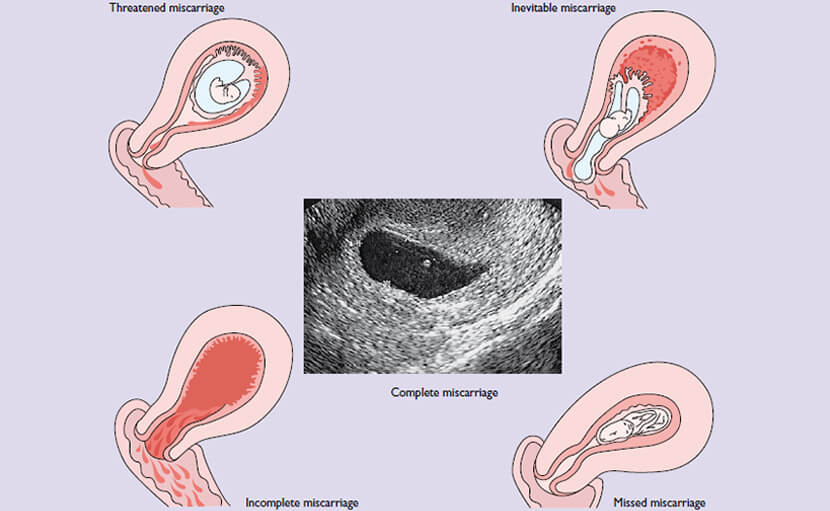
The decision to resume sexual intimacy after a miscarriage is deeply personal, yet it is fundamentally guided by medical recovery timelines, emotional preparedness, and individual physiological responses. Unlike postpartum care after a live birth, miscarriage recovery varies widely depending on the stage of pregnancy at loss, the method of intervention (if any), and the body’s unique healing process. Medical guidelines from organizations such as the American College of Obstetricians and Gynecologists (ACOG) and the Mayo Clinic emphasize that physical recovery is not a one-size-fits-all process, particularly when comparing early miscarriages (before 12 weeks) to late miscarriages (after 12 weeks). Understanding these distinctions—along with hormonal shifts, uterine healing, and cervical stability—provides a structured approach to assessing readiness for intimacy. This section explores the physical recovery stages, key differences in healing between early and late miscarriages, and evidence-based milestones that signal the body’s preparedness for sexual activity.
Physical Recovery Stages Post-Miscarriage and Their Impact on Intimacy

Recovery after a miscarriage follows a progressive timeline marked by uterine contractions, hormonal fluctuations, and tissue regeneration. These stages can be categorized into three primary phases: immediate postpartum (0–7 days), subacute recovery (2–4 weeks), and long-term healing (4–12 weeks or longer). Each phase presents distinct risks and considerations for resuming sexual activity, influenced by whether the miscarriage was spontaneous, medically induced (e.g., Dilation and Curettage, or D&C), or surgical (e.g., Dilation and Evacuation, or D&E).
During the immediate postpartum phase, the uterus undergoes involution, a process where it contracts to expel remaining placental tissue and return to its pre-pregnancy size. This phase is often accompanied by cramping, bleeding resembling a heavy period, and cervical softening, which increases the risk of infection or further uterine trauma if intercourse occurs prematurely. Hormonal levels of progesterone and estrogen plummet, contributing to vaginal dryness and reduced libido, while the cervix remains dilated for an extended period, particularly in cases of incomplete miscarriage. Medical guidelines from ACOG recommend avoiding intercourse until bleeding subsides significantly and cramping diminishes, typically within 2–4 weeks, though this varies based on individual circumstances.
The subacute recovery phase (2–4 weeks) marks a transition where the uterine lining regenerates, and cervical dilation gradually decreases. However, residual risks persist, including pelvic infections (e.g., endometritis), especially if a D&C or D&E procedure was performed. Studies published in the Journal of Obstetrics and Gynaecology Research indicate that women undergoing surgical intervention may experience prolonged cervical healing, with some requiring up to 6 weeks before the cervix fully closes. Additionally, hormonal imbalances during this phase can lead to mood swings, fatigue, and reduced sexual desire, further delaying intimacy. Physical readiness during this stage is often assessed by the absence of spotting, minimal pelvic discomfort, and stable energy levels.
In the long-term healing phase (4–12 weeks or longer), the body undergoes complete uterine regeneration and restoration of the menstrual cycle, though the timeline varies. For example, women who experienced early miscarriages (before 12 weeks) may see their cycles return within 4–8 weeks, while those with late miscarriages (after 12 weeks) might take 3–6 months due to more extensive uterine changes. A study in Human Reproduction found that approximately 30% of women resume sexual activity within 2 weeks post-miscarriage, but only 15% feel physically and emotionally ready at this stage. The discrepancy highlights the importance of monitoring both physical symptoms and emotional well-being before engaging in intercourse.
Table of Contents
- Understanding the Medical Timeline: When Can Intimacy Resume After a Miscarriage?
- Physical Recovery Stages Post-Miscarriage and Their Impact on Intimacy
- Comparison of Recovery Milestones: Early vs. Late Miscarriage
- Scientific Guidelines and Medical Recommendations for Resuming Intimacy
- Emotional and Psychological Readiness: Navigating Intimacy After Miscarriage
- Understanding Grief Stages and Their Impact on Intimacy
- Therapy Techniques to Address Emotional Blocks to Intimacy
- Trauma Responses and Their Physical Manifestations
- Comparative Analysis: Emotional vs. Physical Readiness
- Scripts for Difficult Conversations About Intimacy
Comparison of Recovery Milestones: Early vs. Late Miscarriage
The healing process after a miscarriage differs significantly based on whether the loss occurred before or after 12 weeks of gestation. Below is a comparative analysis of key recovery milestones, including uterine contractions, cervical stability, hormonal adjustments, and menstrual cycle restoration, with data sourced from ACOG, Mayo Clinic, and peer-reviewed studies.
| Recovery Factor | Early Miscarriage (Before 12 Weeks) | Late Miscarriage (After 12 Weeks) |
|---|---|---|
| Uterine Contraction Duration | Typically 7–14 days; lighter bleeding resembles a heavy period. | 2–4 weeks or longer; heavier bleeding due to larger placental attachment. |
| Cervical Dilation Risks | Cervix remains slightly open for 1–2 weeks; lower infection risk. | Cervix may stay dilated for 3–6 weeks, especially post-D&E; higher risk of ascending infections. |
| Hormonal Adjustments | Progesterone drops sharply, estrogen fluctuates within 4–6 weeks. | Prolonged hormonal suppression; progesterone may take 8–12 weeks to stabilize. |
| Menstrual Cycle Restoration | 4–8 weeks for cycle return; ovulation may resume sooner. | 3–6 months for cycle regularity; delayed ovulation due to hormonal lag. |
| Physical Readiness for Sex | 2–4 weeks if no complications; bleeding and cramping subside first. | 6–12 weeks recommended; longer healing for cervical and uterine tissue. |
| Emotional Impact on Libido | Rapid hormonal shifts may cause mood swings but quicker emotional adjustment. | Prolonged grief and fatigue often delay sexual desire for 2+ months. |
| Infection Risk Post-Intercourse | Lower if no surgical intervention; primarily risk of endometritis if tissue remains. | Higher risk of pelvic inflammatory disease (PID) if cervix is unstable. |
Key Insight: Women experiencing late miscarriages face longer recovery periods due to larger uterine changes, surgical interventions (e.g., D&E), and delayed hormonal recovery. Conversely, early miscarriages often align more closely with post-period healing timelines, though individual variations exist based on age, overall health, and miscarriage type (complete vs. incomplete).
Scientific Guidelines and Medical Recommendations for Resuming Intimacy
Medical organizations provide evidence-based frameworks to guide the resumption of sexual activity after a miscarriage, though individualization remains critical. The American College of Obstetricians and Gynecologists (ACOG) states that there is no universal waiting period, but physical symptoms—such as bleeding, cramping, and cervical dilation—should resolve before intercourse. The Mayo Clinic reinforces this, advising women to avoid sex until bleeding stops and discomfort diminishes, typically within 2–6 weeks. However, surgical miscarriages (D&C or D&E) extend recovery timelines, with some clinicians recommending 6–8 weeks of abstinence to mitigate infection risks.
A 2019 study in BMC Women’s Health analyzed 500 women post-miscarriage and found that: - 68% resumed sex within 4 weeks, but only 42% felt physically ready. - 23% experienced complications (e.g., spotting, cramping) after intercourse before 6 weeks. - Women with prior miscarriages were 30% more likely to resume sex earlier, suggesting emotional factors outweighed physical readiness.
ACOG’s Key Recommendations:
"Women should wait until bleeding and cramping have significantly decreased before resuming sexual activity. If a D&C or D&E was performed, a 6-week follow-up is advised to assess cervical and uterine healing. Contraceptive counseling should be initiated if the patient wishes to resume intercourse, as ovulation may occur before the first post-miscarriage period."
Mayo Clinic’s Cautions:
"Sexual activity should be avoided if there is ongoing bleeding, pelvic pain, or signs of infection (e.g., foul-smelling discharge, fever). Emotional readiness is equally important; forced intimacy can exacerbate grief and delay healing."
Variations Based on Individual Health: - Incomplete Miscarriage: Requires medical intervention (misoprostol, D&C), extending recovery to 4–8 weeks. - Infections (e.g., Endometritis): May necessitate antibiotics and delayed intercourse until symptoms resolve (often 2–4 weeks post-treatment).
Emotional and Psychological Readiness: Navigating Intimacy After Miscarriage
The journey to reclaim intimacy after a miscarriage is as deeply personal as it is complex, intertwined with layers of grief, trauma, and emotional upheaval. While medical guidelines provide clarity on physical recovery, the psychological landscape often remains uncharted—a terrain marked by fluctuating emotions, unresolved loss, and the silent weight of societal stigma. Emotional readiness does not follow a linear timeline; it unfolds in waves, influenced by individual coping mechanisms, relationship dynamics, and the unique narrative of each person’s experience. This section explores the intricate interplay between grief stages, trauma responses, and the gradual restoration of emotional and physical connection, offering tools to navigate these challenges with intentionality and compassion.
Understanding Grief Stages and Their Impact on Intimacy
Grief following a miscarriage is not a singular emotion but a multifaceted response that can manifest in stages, though not always in a predictable sequence. The Kübler-Ross model—originally developed for terminal illness but widely applied to miscarriage grief—includes denial, anger, bargaining, depression, and acceptance. Each stage can delay or complicate the desire for physical closeness, not because intimacy is inherently incompatible with grief, but because unresolved emotions may create barriers to vulnerability. For example, denial might suppress the acknowledgment of loss, leading to emotional detachment, while anger could manifest as resentment toward a partner or even the body itself, making physical touch feel intrusive. Bargaining often involves guilt ("If only we had done X differently"), which may suppress libido or create anxiety around future pregnancies. Depression can drain energy and desire, while acceptance does not necessarily mean "moving on" but rather integrating the loss into one’s identity, which may take months or years.
The challenge lies in recognizing that these stages are not static; they can resurface or intertwine. A partner’s grief may progress differently, creating a mismatch in emotional readiness. For instance, one person might feel ready to reconnect physically while the other remains stuck in anger or sadness. This disparity can lead to frustration, misunderstandings, or unintended pressure to "get over it." The key is to normalize the nonlinear nature of grief and approach intimacy as a gradual, consensual process rather than a milestone to achieve.
Therapy Techniques to Address Emotional Blocks to Intimacy
Professional support can provide a structured space to process grief and rebuild intimacy, particularly when emotional blocks feel insurmountable. Cognitive Behavioral Therapy (CBT) is widely used to challenge maladaptive thoughts (e.g., "I’m a failure as a woman" or "My partner doesn’t understand my pain") and replace them with realistic, compassionate perspectives. Grief counseling, often tailored to perinatal loss, helps individuals and couples explore their emotions without judgment. Below are evidence-based techniques to bridge the gap between emotional pain and physical reconnection.
Journaling Prompts for Processing Loss Journaling serves as a private sanctuary to externalize grief, making the invisible visible. Prompts can be structured to address specific emotional barriers: - "Describe the physical sensations you associate with the miscarriage. How do they affect your body now?" - "What would it look like to honor your loss without shame or guilt?" - "If your grief had a color or sound, what would it be? How does it change when you’re with your partner?" Research suggests that expressive writing can reduce stress hormones and improve emotional processing, making it easier to engage in difficult conversations with a partner.
Couples’ Communication Exercises Miscommunication often stems from unspoken fears or assumptions. Structured exercises can create a safe container for vulnerability: - "The 15-Minute Rule": Set a timer for 15 minutes to discuss fears about intimacy without interruption. Use phrases like "I feel..." or "I need..." to avoid blame. - "The Empathy Map": Each partner writes down their partner’s likely emotions, then compares notes to identify gaps in understanding. - "Non-Sexual Touch Check-In": Schedule daily or weekly non-sexual physical contact (e.g., holding hands, hugging) to rebuild comfort without pressure.
Mindfulness Practices to Reduce Anxiety Anxiety about intimacy often stems from fear of triggering pain or reopening wounds. Mindfulness techniques can ground individuals in the present moment: - Body Scan Meditation: Focus on physical sensations without judgment, noting areas of tension or discomfort. This can help dissociate sex from trauma. - Breathwork: Slow, deep breathing (e.g., 4-7-8 technique) activates the parasympathetic nervous system, counteracting fight-or-flight responses. - Somatic Tracking: Keep a log of physical reactions (e.g., muscle tightness, sweating) during intimate moments to identify triggers and communicate them to a partner.
Trauma Responses and Their Physical Manifestations
Miscarriage can activate trauma responses, even when the loss is not classified as a severe traumatic event. These responses often manifest physically as well as emotionally, creating a feedback loop that reinforces avoidance or distress. Common trauma responses include: - Dissociation: Feeling "numb" or disconnected during intimacy, as if observing the experience from outside the body. - Hypervigilance: Constantly scanning for signs of danger (e.g., fear of pregnancy symptoms, anxiety about physical touch). - Avoidance: Withdrawing from sexual or emotional closeness to prevent further pain.
Physically, these responses may present as: - Pain or discomfort during sex, even when medically cleared, due to psychological associations. - Emotional detachment, where intimacy feels mechanical or hollow. - Intrusive memories during physical contact, such as flashbacks to the miscarriage or past traumas.
Coping Strategies for Trauma Responses - Sensory Grounding: Use the 5-4-3-2-1 technique (name 5 things you see, 4 you feel, 3 you hear, 2 you smell, 1 you taste) to stay present during intimate moments. - Progressive Exposure: Gradually reintroduce physical touch in low-pressure ways, such as massage or cuddling, before progressing to intercourse. - Trauma-Informed Therapy: Modalities like EMDR (Eye Movement Desensitization and Reprocessing) or somatic experiencing can help reprocess traumatic memories linked to the body.
Comparative Analysis: Emotional vs. Physical Readiness
Emotional readiness and physical readiness often exist on parallel but distinct timelines. The table below contrasts signs of readiness with indicators of unresolved grief, along with actionable steps for each scenario.
| Signs of Emotional Readiness | Signs of Unresolved Grief | Actions to Take if Unready |
|---|---|---|
|
|
|
Key Insight: Emotional readiness is not about "being over" the miscarriage but about feeling capable of engaging in intimacy without it becoming a re-traumatizing experience. Partners should avoid comparing timelines and instead focus on mutual consent and patience.
Scripts for Difficult Conversations About Intimacy
Conversations about intimacy post-miscarriage require vulnerability and clarity. Below are structured scripts to navigate common challenges, designed to reduce defensiveness and foster understanding.
Addressing Fear of Pregnancy or Another Loss "I’ve been feeling really anxious about getting pregnant again. It’s not that I don’t want to try, but the fear of losing another baby feels overwhelming. I’d love for us to talk about how to make this feel safe for me—maybe we can explore non-pregnancy-related ways to connect first, or find a therapist who specializes in perinatal grief to help us navigate this together."
Discussing Changes in Desire or Performance *"I’ve
Resuming sex after a miscarriage is not just a medical decision but a deeply personal journey where physical readiness and emotional healing must align. While doctors may clear the body for intimacy, the heart and mind often dictate a slower pace—one that requires patience, open communication, and mutual understanding. By acknowledging both the biological and psychological layers of recovery, couples can navigate this sensitive terrain with compassion, turning vulnerability into an opportunity for stronger connection. The path forward is unique for each individual, but support—whether from healthcare providers, therapists, or shared experiences—can illuminate the way.
Leave a Comment
Comments are moderated before appearing. The data you submit is processed according to the Privacy Policy of Avecplaisirs.