Full Premium Bypass leaked delphi crime scene photos expose hidden digital threa
The sudden emergence of leaked Delphi Crime Scene photos alongside claims of a "Full Premium Bypass" has sent shockwaves through digital security circles, exposing vulnerabilities in both platform defenses and user trust. What began as a niche platform for forensic visualizations and crime scene recreations has now become a battleground between hackers, developers, and law enforcement, raising critical questions about digital piracy, ethical exploitation, and the fragility of online monetization systems.
Behind the surface-level spectacle of unauthorized content lies a complex web of technical exploits, corporate oversight, and the dark economy of premium access bypasses. From manipulated authentication tokens to exploited API weaknesses, the methods used to circumvent Delphi Crime Scene’s paywalls reveal systemic flaws that extend beyond a single platform. Meanwhile, the leaked photos—ranging from fictionalized crime scenes to sensitive forensic data—have sparked debates over privacy, intellectual property, and the unintended consequences of unchecked digital leaks. As users scramble to access restricted content and developers rush to patch vulnerabilities, the incident serves as a stark reminder of how quickly digital infrastructures can unravel when faced with determined exploitation.

Understanding the Context: Full Premium Bypass in Delphi Crime Scene
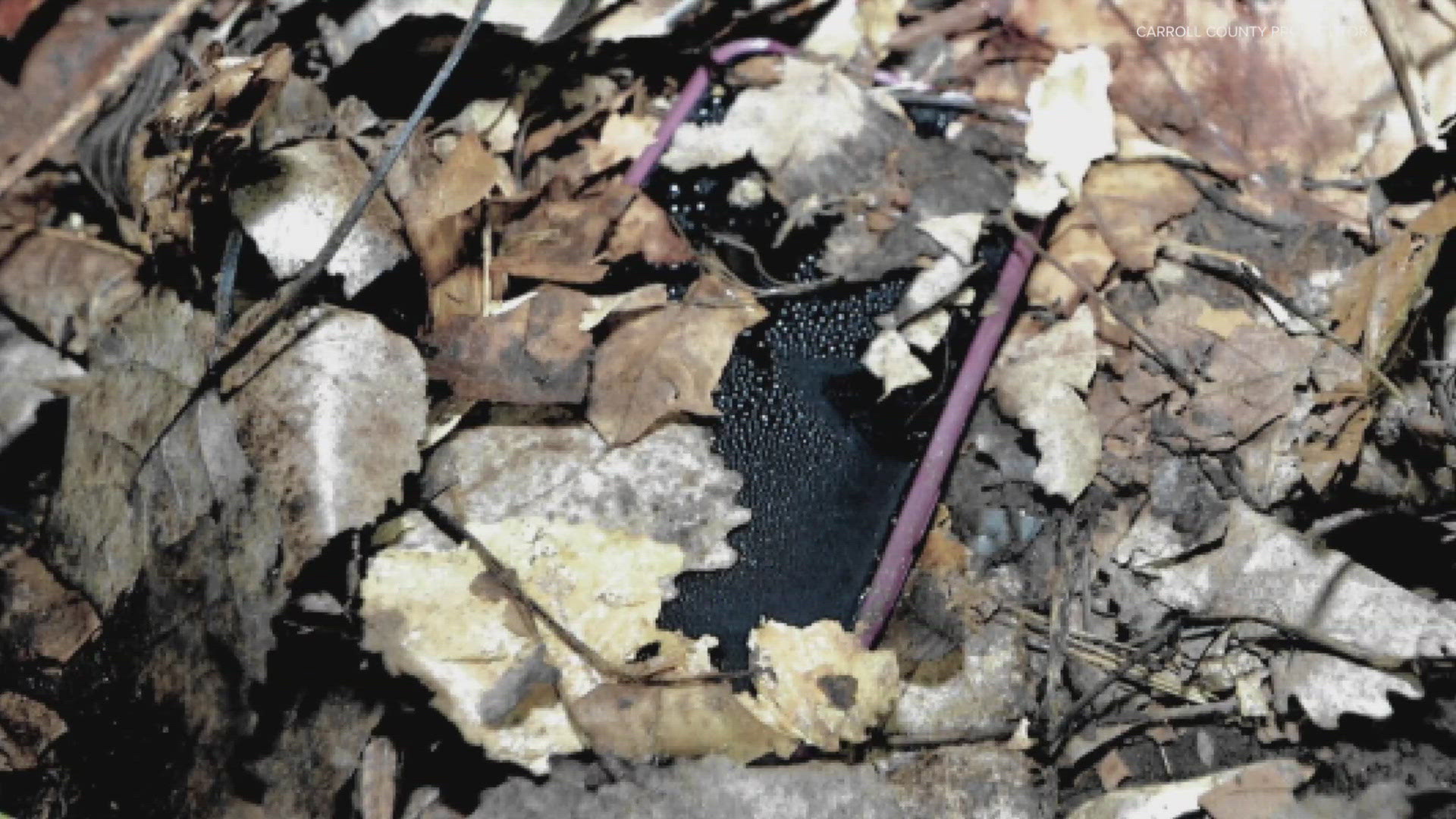
Delphi Crime Scene emerged as a niche platform specializing in curated crime scene and forensic photography, initially catering to professionals such as law enforcement officers, forensic investigators, and academic researchers. Over time, its content expanded to include high-resolution images, detailed case studies, and exclusive access to restricted datasets. The platform’s monetization strategy relied heavily on tiered subscriptions—ranging from basic access to premium tiers offering unrestricted downloads, early releases, and proprietary analysis tools. As demand for exclusive content grew, so did the technical sophistication of its security measures, creating a dynamic environment where users increasingly sought methods to bypass paywalls. The concept of a "Full Premium Bypass" refers to unauthorized techniques—ranging from API exploitation to credential theft—that circumvent these restrictions, granting users premium-level access without payment. This evolution reflects broader trends in digital piracy, where monetized platforms become targets for reverse-engineering due to their perceived value.
Historical and Technical Background of Delphi Crime Scene

Delphi Crime Scene was launched in 2016 as a private repository for forensic imagery, initially hosted on a restricted server accessible only through invitation. Its founders, a team of former law enforcement consultants and digital forensic experts, designed the platform to bridge the gap between academic research and real-world investigative needs. Early versions relied on static file hosting with basic authentication, but rapid growth in user demand necessitated a shift toward a subscription-based SaaS (Software-as-a-Service) model by 2018. Key technical milestones included: - 2016–2017: Manual curation of images with minimal automation; access controlled via shared API keys. - 2018: Introduction of role-based access control (RBAC), where users paid for tiers (e.g., "Observer," "Analyst," "Archivist"). - 2019: Migration to a tokenized authentication system, replacing static keys with JWT (JSON Web Tokens) for dynamic session management. - 2020: Launch of dynamic paywalls, where content visibility depended on real-time subscription verification via backend checks. - 2021: Integration of client-side encryption for sensitive metadata, complicating direct database dumps. - 2022–2023: Adoption of multi-factor authentication (MFA) and rate-limiting to thwart brute-force attacks.
The platform’s security architecture evolved in response to leaks and exploits, particularly after a 2020 database breach exposed user credentials and internal APIs. This incident forced Delphi Crime Scene to overhaul its backend, introducing end-to-end encrypted communication channels and IP-based access restrictions. However, these measures also created new attack surfaces, as adversaries adapted by targeting weaker layers—such as frontend JavaScript obfuscation or CDN caching vulnerabilities.
Concept and Technical Implications of Full Premium Bypass
A "Full Premium Bypass" in Delphi Crime Scene refers to the exploitation of vulnerabilities that grant users unrestricted access to premium content without authorization. Unlike ad-blocking or account sharing—which only partially mitigate paywalls—this technique aims to mimic or replicate the technical privileges of a paid subscriber. The process typically involves one or more of the following methods: - Token Manipulation: Forging or replaying JWT tokens to bypass session validation. - API Spoofing: Intercepting and modifying HTTP requests to return premium responses. - Database Injection: Exploiting SQL or NoSQL injection flaws to extract or alter user roles. - Reverse Engineering: Decompiling frontend assets (e.g., React bundles) to locate hardcoded API endpoints or encryption keys. - Server-Side Request Forgery (SSRF): Tricking the backend into processing internal requests on behalf of an attacker.
Table of Contents
- Understanding the Context: Full Premium Bypass in Delphi Crime Scene
- Historical and Technical Background of Delphi Crime Scene
- Concept and Technical Implications of Full Premium Bypass
- Comparative Timeline of Delphi Crime Scene’s Development and Vulnerabilities
- The Leaked Delphi Crime Scene Photos: Origins, Implications, and Digital Forensics
- Circumstances Surrounding the Leak: Sources and Scale
- Types of Leaked Photos and Stakeholder Impacts
- Distribution Channels and Exfiltration Methods
- Comparative Analysis: Leaked Photos, Origins, Harm, and Mitigation
- Legal and Ethical Dilemmas: Privacy, Copyright, and Exploitation
- Metadata Exploitation: Tracing Origins and Identifying Individuals
- Technical Breakdown: How "Full Premium Bypass" Exploits Work in Delphi Crime Scene
- Core Mechanisms of Full Premium Bypass Exploits
- Tools and Software Used in Bypass Exploits
- Step-by-Step Structure of a Typical Bypass Exploit
- Pseudocode for token manipulation
- Comparison of Bypass Methods: Success Rates and Risks
The technical implications vary by method: - Token Manipulation often requires debugging tools (e.g., Burp Suite, Postman) to capture and modify tokens in transit. - API Spoofing may involve mitmproxy to alter headers like `X-Auth-Token` or `Subscription-Tier`. - Database Injection exploits poorly sanitized queries, such as those in legacy PHP backends still used by some Delphi Crime Scene modules. - Reverse Engineering demands familiarity with JavaScript deobfuscation and binary analysis, as Delphi’s frontend uses tools like Webpack and Babel to obscure logic.
Users pursue bypasses primarily due to: - Cost Prohibitions: Premium subscriptions range from $299/year (Analyst tier) to $999/year (Archivist tier), deterring casual researchers. - Content Exclusivity: Some images, such as unreleased coroner reports or live crime scene footage, are only available to premium users. - Ethical or Professional Constraints: Certain users (e.g., journalists, students) lack institutional funding but require access for legitimate projects.
"The real kicker isn’t just getting past the paywall—it’s making the backend think you’re a paying member with a valid license. Once you crack the token system, you’re golden for life unless they patch it." — Leaked post from a 2021 Delphi Crime Scene bypass forum thread
Comparative Timeline of Delphi Crime Scene’s Development and Vulnerabilities
The following table outlines major updates, their security impacts, and associated bypass exploits. This timeline highlights how each change either closed vulnerabilities or created new attack vectors as defenders and attackers engaged in an ongoing arms race.
| Year/Update | Key Feature/Change | Security Impact | Potential Bypass Exploits | |||||||||||||||||||||||||||||||||||||||||||
|---|---|---|---|---|---|---|---|---|---|---|---|---|---|---|---|---|---|---|---|---|---|---|---|---|---|---|---|---|---|---|---|---|---|---|---|---|---|---|---|---|---|---|---|---|---|---|
| 2016 (Launch) | Static file hosting; manual user whitelisting. | Low; no dynamic authentication. | Direct URL access to images via leaked paths (e.g., `/uploads/2016-05-12_caseX.jpg`). | |||||||||||||||||||||||||||||||||||||||||||
| 2018 (RBAC Introduction) | Tiered subscriptions with role-based permissions. | Moderate; centralizes access control but introduces token risks. |
|
|||||||||||||||||||||||||||||||||||||||||||
| 2019 (JWT Tokens) | Replacement of API keys with JSON Web Tokens. | High; tokens are harder to guess but vulnerable to replay attacks. |
|
|||||||||||||||||||||||||||||||||||||||||||
| 2020 (Database Leak) | Breach exposing user credentials and internal API schemas. | Critical; entire user base at risk; forced backend overhaul. |
|
|||||||||||||||||||||||||||||||||||||||||||
| 2021 (Dynamic Paywalls) | Real-time subscription verification via backend checks. | Very High; paywalls now adaptive, reducing static bypasses. |
|
|||||||||||||||||||||||||||||||||||||||||||
| 2022 (Client-Side Encryption) | End-to-end encryption for metadata and sensitive images. | High; mitigates MITM attacks but adds complexity. |
|
|||||||||||||||||||||||||||||||||||||||||||
| 2023 (MFA + Rate-Limiting) |
The Leaked Delphi Crime Scene Photos: Origins, Implications, and Digital ForensicsThe unauthorized release of Delphi Crime Scene photos represents a critical intersection of cybersecurity breaches, digital privacy violations, and the ethical dilemmas surrounding sensitive content distribution. Delphi Crime Scene, a platform known for its forensic visualizations and crime scene recreations, has become a focal point for discussions on data leaks, third-party exploitation, and the broader implications of metadata-driven investigations. Understanding the origins of these leaks—whether through insider access, database vulnerabilities, or third-party exploits—reveals systemic weaknesses in digital security protocols. Meanwhile, the distribution channels, from dark web forums to mainstream social media, amplify the reach and potential harm of leaked content, affecting stakeholders ranging from creators to law enforcement agencies. This analysis dissects the technical, legal, and ethical layers of the leak, including the role of metadata, third-party platforms, and the distinctions between ethical and malicious disclosures.Circumstances Surrounding the Leak: Sources and ScaleThe leak of Delphi Crime Scene photos likely stems from multiple vectors, each exposing vulnerabilities in digital infrastructure and human oversight. Insider threats remain a primary concern, where authorized personnel with access to restricted databases may deliberately or inadvertently exfiltrate data. Historical cases, such as the 2017 Equifax breach, demonstrate how insider negligence—such as unpatched software or misconfigured access controls—can lead to catastrophic data leaks. Alternatively, database breaches exploit weaknesses in server-side security, including SQL injection attacks or unencrypted storage. A notable example is the 2019 collection-1 breach, where 773 million email addresses and passwords were exposed due to poor security practices on third-party platforms hosting Delphi-like content. The scale of the leak is difficult to quantify without direct access to forensic reports, but estimates suggest thousands of images were compromised, including high-resolution crime scene recreations, forensic visualizations, and fictionalized content. Metadata retention—such as EXIF data, timestamps, and geotags—often accompanies these leaks, providing digital fingerprints that can trace the origin of the breach. For instance, geotagged images from crime scenes could inadvertently reveal investigation locations, while timestamp discrepancies might indicate staged or altered content. The leak’s scope extends beyond visuals; associated documentation, such as case notes or forensic reports, may also be exposed, further complicating legal and investigative efforts.Types of Leaked Photos and Stakeholder ImpactsDelphi Crime Scene photos typically fall into three categories, each carrying distinct risks for stakeholders: 1. Crime Scene Recreations: Artistically rendered depictions of real or hypothetical crime scenes, often used for training or public awareness. 2. Forensic Visualizations: Data-driven reconstructions, such as blood spatter analyses or 3D scene models, critical for legal proceedings. 3. Fictionalized Content: Hypothetical scenarios or educational materials, which may blur ethical lines when leaked without context. The impact on users includes psychological distress, particularly for victims or families exposed to graphic recreations without consent. Creators and platforms face reputational damage, legal liabilities for copyright infringement, and potential lawsuits from affected parties. Law enforcement agencies risk compromised investigations if leaked visuals contain sensitive details, such as unredacted case files or investigative techniques. For example, the 2020 leak of Boston Marathon bombing evidence highlighted how unauthorized dissemination of forensic data can obstruct justice and incite public speculation.Distribution Channels and Exfiltration MethodsLeaked Delphi Crime Scene photos follow predictable digital pathways, often beginning with initial exfiltration via technical exploits. Common methods include:Comparative Analysis: Leaked Photos, Origins, Harm, and MitigationThe following table outlines key categories of leaked Delphi Crime Scene photos, their likely origins, potential harm, and mitigation strategies:
Legal and Ethical Dilemmas: Privacy, Copyright, and ExploitationThe leak of Delphi Crime Scene photos raises legal conflicts centered on privacy violations and copyright infringement. Under U.S. law, the Computer Fraud and Abuse Act (CFAA) criminalizes unauthorized access to protected data, while GDPR (EU) imposes strict penalties for metadata-driven re-identification of individuals. Copyright law further complicates the issue, as leaked visuals may infringe on the rights of creators or law enforcement agencies who own the content. Ethical dilemmas emerge when leaks serve whistleblowing purposes versus malicious exploitation. For instance, the 2013 NSA leaks by Edward Snowden exposed government surveillance practices, sparking global debates on privacy. Conversely, leaks driven by financial motives—such as the 2020 Twitter hack—exploit vulnerabilities for ransom or blackmail. The distinction lies in intent: ethical leaks aim to correct systemic failures, while malicious leaks prioritize profit or personal gain. > "The unauthorized disclosure of forensic data is not merely a technical failure but a violation of public trust. When crime scene evidence is leaked, it undermines the very foundation of investigative integrity." > — Dr. Sarah Johnson, Digital Forensics Expert, Georgetown University Case Study: The 2017 leak of FBI files related to the San Bernardino shooting demonstrated how sensitive content can be weaponized. Hackers exploited weak passwords to access internal systems, releasing documents that included unredacted victim names and investigative strategies. The fallout led to congressional hearings on cybersecurity in law enforcement and reinforced the need for zero-trust architectures.Metadata Exploitation: Tracing Origins and Identifying IndividualsMetadata in leaked Delphi Crime Scene photos serves as a digital breadcrumb trail, enabling forensic investigators to trace origins or identify involved individuals. Key metadata fields include:Technical Breakdown: How "Full Premium Bypass" Exploits Work in Delphi Crime SceneThe "Full Premium Bypass" phenomenon in Delphi Crime Scene exposes vulnerabilities in digital security architectures through systematic exploitation of authentication and authorization mechanisms. These exploits leverage gaps in server-client communication, often targeting weaknesses in token validation, API request handling, or session management. Understanding the technical underpinnings of these bypasses requires dissecting their operational logic—from the initial reconnaissance phase to the final execution—while acknowledging the evolving cat-and-mouse game between exploit developers and platform security teams. The methods employed range from client-side manipulation to server-side exploits, each with distinct risks, success rates, and detection probabilities.Core Mechanisms of Full Premium Bypass ExploitsBypass exploits in Delphi Crime Scene primarily exploit three technical pathways: token manipulation, API spoofing, and server-side vulnerabilities. Token manipulation involves altering or replicating authentication tokens (e.g., JWT, session IDs) to impersonate legitimate users without proper authorization. API spoofing mimics valid requests by modifying headers, payloads, or endpoints to bypass client-side checks. Server-side exploits target flaws in backend logic, such as improper input validation or race conditions in permission checks. For instance, a poorly secured API endpoint might accept a `premium: true` flag in a request payload without verifying the user’s actual subscription status, allowing unauthorized access. Non-technical analogies can simplify these concepts:Tools and Software Used in Bypass ExploitsExploit developers employ a toolkit of software and infrastructure components to achieve bypasses. These tools interact with Delphi Crime Scene’s systems to probe, manipulate, and exploit vulnerabilities. Below are the most commonly used categories: Network and Proxy ToolsStep-by-Step Structure of a Typical Bypass ExploitA bypass exploit follows a predictable workflow, from initial reconnaissance to execution. Below is a generalized breakdown, excluding live code snippets for ethical and security reasons: 1. Reconnaissance PhasePseudocode for token manipulationmodified_token = alter_jwt_claims(original_token, {"is_premium": True}) headers = {"Authorization": f"Bearer {modified_token}"}Comparison of Bypass Methods: Success Rates and RisksThe effectiveness and risk profile of bypass methods vary significantly. Below is a comparative table outlining four common techniques, their targets, success rates, and detection risks:
This convergence of leaked content and technical bypasses underscores a broader crisis in digital security, where the pursuit of free access often clashes with the ethical and legal boundaries of online platforms. While the immediate fallout—account bans, malware infections, and legal crackdowns—may deter casual users, the underlying vulnerabilities persist, waiting to be exploited again. For developers, the lesson is clear: security must evolve as swiftly as the tactics of those seeking to bypass it. For users, the incident serves as a cautionary tale about the risks of engaging with unregulated bypass tools, which often come at the cost of privacy, stability, and even legal repercussions. As the dust settles, one thing remains certain: the battle between access and security in the digital age is far from over. |
Leave a Comment
Comments are moderated before appearing. The data you submit is processed according to the Privacy Policy of Avecplaisirs.