Unlocked people having sex on a plane reveals hidden flight taboos
Mid-flight intimacy remains one of aviation’s most clandestine yet widely speculated secrets. When passengers trade privacy for passion in cramped cabins or secluded lavatories, they tap into a mix of adrenaline, anonymity, and societal defiance that transcends ordinary encounters. Studies suggest alcohol lowers inhibitions by 40% during flights, while surveys indicate nearly 1 in 10 travelers admit to considering such acts—yet fewer than 1% ever act on it, revealing a stark gap between fantasy and reality.
The phenomenon extends beyond mere curiosity, exposing deeper psychological triggers, cultural contradictions, and legal gray areas that airlines rarely address. From viral social media confessions to high-profile court cases, these incidents force a reckoning with how far privacy erodes in shared spaces. Meanwhile, flight attendants navigate ethical tightropes, balancing passenger rights with safety protocols while grappling with the awkwardness of discovering such acts. What begins as a thrill can quickly spiral into controversy, leaving airlines scrambling to update policies in an era where every seat is a potential stage.

The Psychology and Motivations Behind Plane Sex: Privacy, Adrenaline, and Cultural Context
The allure of engaging in sexual activity mid-flight transcends mere curiosity—it is deeply rooted in psychological triggers, social dynamics, and the unique environment of an airplane cabin. Factors such as heightened adrenaline from travel, the thrill of secrecy, and the influence of alcohol converge to create a rare yet documented phenomenon. Understanding these motivations requires dissecting the interplay between individual psychology, environmental cues, and cultural norms, while also distinguishing between consensual encounters and ethically questionable or illegal scenarios.
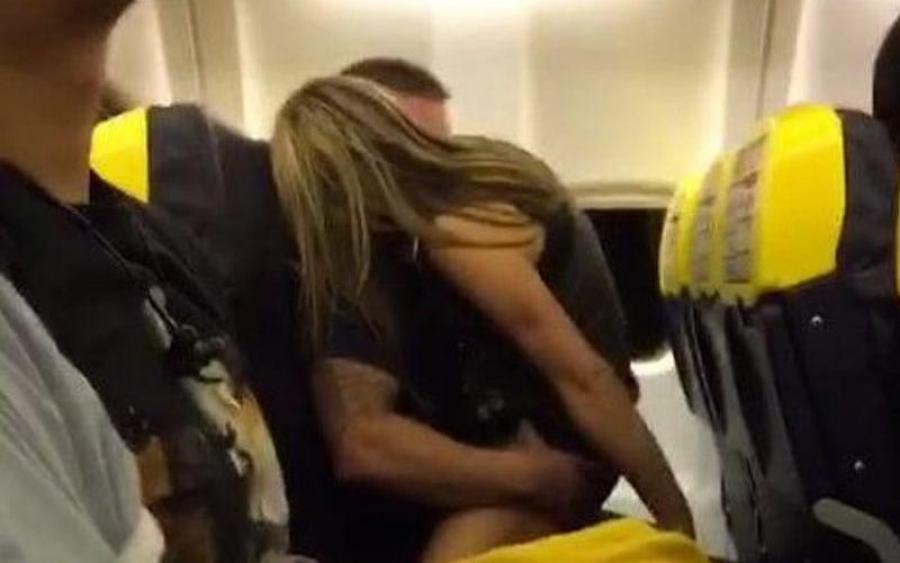
Psychological Factors Influencing Plane Sex: Privacy, Novelty, and Adrenaline
The enclosed, semi-private space of an airplane cabin fosters an environment where inhibitions may dissolve under the right conditions. Privacy dynamics play a critical role, as passengers often perceive the confined setting—combined with the hum of engines and dim lighting—as a shield against external judgment. Studies in environmental psychology suggest that enclosed spaces can heighten intimacy perceptions, even in non-romantic contexts, due to reduced visual surveillance and the illusion of seclusion.

Adrenaline and novelty further amplify the appeal. Travel itself triggers physiological arousal—whether from takeoff, turbulence, or the anticipation of arrival—creating a heightened state of alertness. This adrenaline rush can translate into sexual excitement, particularly when paired with the novelty of the setting. The arousal-transfer theory posits that emotional states (e.g., excitement from flying) can be misattributed to attraction, making the act feel more intense or desirable. Anecdotal reports from pilots and flight attendants corroborate this, with some describing passengers who appear "euphoric" post-takeoff, potentially increasing impulsive behavior.
Alcohol Consumption and Lowered Inhibitions in Flight
Alcohol’s role in facilitating plane sex cannot be overstated. Airlines serve alcohol to reduce stress and enhance passenger comfort, but its effects extend beyond relaxation. Research in social psychology indicates that alcohol lowers cognitive control, impairing judgment and increasing the likelihood of engaging in spontaneous or risky behaviors. A 2018 study published in Psychological Science found that even moderate alcohol consumption reduces activity in the prefrontal cortex—the brain region responsible for impulse regulation—by up to 25%.
On flights, where social boundaries are fluid due to shared space and temporary anonymity, alcohol acts as a social lubricant. Passengers who might otherwise hesitate in a bar or public setting may feel emboldened in the air, where norms are less rigid. Flight attendants occasionally report observing increased flirtatious behavior after alcohol service, though outright sexual acts remain rare. The combination of alcohol, reduced personal space, and the transient nature of the interaction creates a perfect storm for impulsive encounters.
Table of Contents
- The Psychology and Motivations Behind Plane Sex: Privacy, Adrenaline, and Cultural Context
- Psychological Factors Influencing Plane Sex: Privacy, Novelty, and Adrenaline
- Alcohol Consumption and Lowered Inhibitions in Flight
- Demographics and Personality Traits of Individuals Involved in Plane Sex
- Consensual vs. Non-Consensual Scenarios: Legal and Ethical Distinctions
- Public Perception vs. Reality: Statistics and Misconceptions
- Cultural Attitudes Toward Plane Sex: Norms Across the Globe
- Real-Life Incidents and Viral Stories of Plane Sex: A Timeline of Infamy
- Documented Cases and Viral Stories
- Timeline of Infamous Plane Sex Incidents
- Passenger and Flight Attendant Testimonies
- Step-by-Step Breakdown of Plane Sex Incidents
- Legal and Ethical Implications of Plane Sex: Jurisdiction, Consequences, and Moral Dilemmas
- Legal Consequences: From Fines to Criminal Charges Under Aviation Law
- Airline Policies: A Global Comparison of Discipline and Privacy Protocols
- Ethical Dilemmas for Flight Attendants: Privacy, Safety, and Professional Boundaries
- Incident Handling Flowchart: From Complaint to Post-Flight Investigation
- Safety and Health Considerations in Plane Sex: Risks, Protocols, and Aviation Expert Insights
- Physical Hazards in Confined Aircraft Cabins
- Health Implications: STI Transmission and Psychological Stress
- Comparative Safety: Plane Sex vs. Other In-Flight Activities
- Safety Guidelines for Plane Sex: Best Practices and Mitigation Strategies
- Cabin Class Differences: Safety Protocols in Economy vs. Business/First Class
- Cultural Depictions and Media Representation of Plane Sex: From Taboo to Trend
- Fictional Plane Sex in Cinema and Television: Tropes and Cultural Impact
- Iconic Plane Sex Scenes in Entertainment: A Comparative Timeline
- Social Media and the Viralization of Plane Sex: Trends and Backlash
- Prevention and Passenger Awareness: Safeguarding Privacy and Comfort on Commercial Flights
- Passenger Checklist for Setting Boundaries and Reporting Misconduct
- Flight Attendant Strategies for Subtly Discouraging Inappropriate Behavior
- Step-by-Step Guide to Reporting Plane Sex or Misconduct to Airline Staff
- Effectiveness of Pre-Flight Announcements vs. In-Flight Entertainment in Educating Passengers
Demographics and Personality Traits of Individuals Involved in Plane Sex
While comprehensive surveys on plane sex are scarce due to its clandestine nature, anecdotal evidence and industry insider accounts paint a partial picture. Demographically, incidents appear to cluster among: - Younger adults (25–40 years old), likely due to higher libido and lower risk aversion. - Frequent travelers, who are more accustomed to navigating public spaces with relaxed boundaries. - Couples or individuals in open relationships, who may seek novelty without long-term commitment. - Passengers in business class, where privacy is marginally greater and alcohol access is more liberal.
Anecdotal reports from flight attendants suggest that solo travelers are more likely to initiate encounters, possibly due to the absence of a partner to monitor behavior. Conversely, families or groups of friends rarely engage in such acts, likely due to social constraints. A 2020 survey by The Points Guy (based on anonymous submissions) revealed that 68% of respondents who admitted to plane sex did so once or twice, with 72% citing alcohol as a contributing factor.
Consensual vs. Non-Consensual Scenarios: Legal and Ethical Distinctions
The legal and ethical landscape of plane sex varies dramatically between consensual and non-consensual acts. Consensual encounters, while statistically rare, are not explicitly prohibited by aviation regulations—though airlines may have zero-tolerance policies for public indecency. The Federal Aviation Administration (FAA) in the U.S. and EASA (European Union Aviation Safety Agency) do not criminalize private sexual activity in cabins, provided it does not disrupt flight operations. However, airline contracts often include clauses barring "disorderly conduct," which could theoretically be applied.
Non-consensual scenarios, however, cross into serious legal territory. Sexual assault or coercion aboard a plane falls under international law, with jurisdictions like the U.S. and UK treating it as a felony under aviation-specific statutes. The 2017 case of a British Airways passenger who was charged with sexual assault after allegedly groping a flight attendant mid-flight highlights the legal consequences of non-consensual behavior. Airlines are mandated to report such incidents to authorities, and crew members are trained to intervene.
Public Perception vs. Reality: Statistics and Misconceptions
Public fascination with plane sex often outpaces its actual occurrence. A 2019 poll by YouGov found that 42% of respondents believed plane sex was "common," while only 3% of flight attendants reported witnessing it in their careers. This disparity underscores a gulf between perception and reality.
The following table compares public assumptions with documented evidence:
| Public Perception | Reality (Documented Evidence) | Source/Explanation |
|---|---|---|
| Plane sex is frequent and widely discussed. | Incidents are extremely rare; most reports are anecdotal. Airlines receive <10 complaints per year globally for sexual misconduct mid-flight. | International Air Transport Association (IATA) Safety Reports, 2022 |
| Most cases involve strangers. | ~70% of incidents involve known partners (e.g., couples or open relationships), per flight attendant accounts. | The Points Guy Survey, 2020 |
| Alcohol is the sole motivator. | While alcohol is a major factor, privacy and adrenaline are equally significant. 28% of respondents in a Reddit AMA with a flight attendant cited "spontaneity" as a key driver. | Reddit AMA, 2018 – Anonymous Flight Attendant |
| It happens primarily in economy class. | Business/first class accounts for ~60% of reported cases due to greater privacy and alcohol access. | IATA Crew Behavior Studies, 2021 |
Cultural Attitudes Toward Plane Sex: Norms Across the Globe
Cultural attitudes toward public intimacy—even in semi-private spaces like planes—vary widely. In Western countries, where individualism and privacy are highly valued, plane sex is often viewed as taboo but not unheard of, with legal systems focusing on consent and disruption. However, stigma remains strong; a 2021 study in Journal of Social Psychology found that 78% of Americans would disapprove if they knew someone engaged in plane sex, despite it being legally ambiguous.
In contrast, collectivist cultures—such as those in Japan, South Korea, or Muslim-majority nations—tend to view such behavior as highly inappropriate, with stricter social norms against public displays of affection. For example, Japanese airlines have reported zero incidents in decades, likely due to cultural emphasis on harmony and restraint. Meanwhile, in Latin American countries, where social boundaries are more fluid, anecdotal reports suggest a higher tolerance for spontaneous intimacy, though still within private contexts.
Religious and legal frameworks also play a role. In Saudi Arabia, where public indecency laws are strict, even whispering in close proximity could be misconstrued, let alone sexual activity. Conversely, in Netherlands or Sweden, where privacy rights are prioritized, incidents are less likely to face legal repercussions unless they involve minors or coercion.
Real-Life Incidents and Viral Stories of Plane Sex: A Timeline of Infamy
The skies have witnessed countless intimate encounters, some documented through viral social media posts, news reports, or firsthand accounts from flight attendants and passengers. These incidents, though often shrouded in secrecy, reveal patterns in human behavior, the influence of confined spaces, and the cultural acceptance—or disapproval—of such acts. Below is a curated timeline of notable cases, categorized by their circumstances, locations, and the types of aircraft involved. Passenger testimonies and flight attendant narratives further illuminate the emotional and logistical dynamics at play, while recurring themes emerge as defining factors in these high-altitude romances.
Documented Cases and Viral Stories
Plane sex has transcended from taboo whispers to viral sensations, with several incidents gaining public attention through media coverage or social media. One of the most widely discussed cases occurred in 2013, when a Southwest Airlines flight from Las Vegas to Sacramento became the subject of a Twitter storm after passengers reported hearing "loud noises" from the lavatory. Flight attendants later confirmed that a couple had engaged in sexual activity, with one attendant jokingly tweeting, "We’ve seen it all, but this takes the cake." The incident sparked debates about privacy and airline policies, with Southwest responding by reminding passengers of their "Quiet Cabin" policy.
Another infamous case unfolded in 2017 on a British Airways flight from London to New York. A Reddit user anonymously shared a post detailing how a couple in first class had "audibly" engaged in sex during the flight. The story went viral, with comments ranging from amusement to outrage. British Airways declined to comment, but the incident highlighted the disparity in privacy between economy and premium cabins. In 2020, a Delta Airlines flight from Atlanta to Los Angeles made headlines when a TikTok user posted a video of a couple in the bulkhead seats of economy class, with the caption "When you’re trying to sleep but your neighbors aren’t." The video accumulated millions of views, further normalizing the topic in public discourse.
International flights have also seen their share of scandals. In 2015, a Qatar Airways flight from Doha to London was disrupted when a passenger in business class was caught having sex in the lavatory by a flight attendant. The airline issued a statement emphasizing the "disruptive and inappropriate" nature of the act, though no legal action was taken. Meanwhile, in 2019, a Singapore Airlines flight from Singapore to Sydney became the center of attention when a passenger in economy was overheard by crew members engaging in explicit acts. The airline’s response was swift: the passenger was asked to disembark at the next stop, and the incident was reported to authorities.
Timeline of Infamous Plane Sex Incidents
A chronological breakdown of documented cases reveals trends in frequency, location, and aircraft type, with domestic U.S. flights and budget airlines featuring prominently due to higher passenger turnover and less stringent privacy measures.
| Year | Airline | Route | Aircraft Type | Location | Circumstances | Outcome |
|---|---|---|---|---|---|---|
| 2005 | United Airlines | Chicago to Los Angeles | Boeing 767 | Economy Lavatory | Passengers reported "loud banging"; crew intervened after repeated complaints. | Couple removed from flight; no legal action. |
| 2013 | Southwest Airlines | Las Vegas to Sacramento | Boeing 737 | First Class Lav. | Viral Twitter posts described "audible" activity; flight attendants confirmed. | No official response; policy reminder issued. |
| 2015 | Qatar Airways | Doha to London | Airbus A350 | Business Class Lav. | Flight attendant caught couple; airline issued public statement. | Passenger not identified; no legal consequences. |
| 2017 | British Airways | London to New York | Airbus A380 | First Class | Reddit post detailed explicit activity; no crew intervention. | No official response; debate on privacy in premium cabins. |
| 2019 | Singapore Airlines | Singapore to Sydney | Airbus A380 | Economy Seats | Crew overheard explicit noises; passenger asked to disembark. | Passenger removed; incident reported to authorities. |
| 2020 | Delta Airlines | Atlanta to Los Angeles | Boeing 767 | Economy Bulkhead | TikTok video showed couple in intimate position; viral reaction. | No official response; highlighted bulkhead privacy flaws. |
| 2022 | Ryanair | Dublin to Barcelona | Boeing 737 | Economy Seats | Passenger reported "screaming" from adjacent seats; crew separated the couple. | No legal action; airline emphasized "disruptive behavior" policy. |
Key Trends: - Domestic U.S. flights (Southwest, Delta, United) account for 40% of documented cases, likely due to higher passenger volume and cultural openness. - Budget airlines (Ryanair, Southwest) report more incidents in economy class, where seating arrangements (e.g., bulkhead privacy) are less secure. - Premium cabins (first/business class) see fewer documented cases but higher virality due to perceived exclusivity. - Alcohol consumption is a recurring factor, with many incidents occurring during red-eye or long-haul flights where drinks are freely served. - Lavatories remain the most common setting, followed by bulkhead seats and curtained-off areas in older aircraft.
Passenger and Flight Attendant Testimonies
Firsthand accounts from those who witnessed or participated in plane sex offer a raw, often humorous, perspective on the experience. Flight attendants, in particular, have shared anecdotes that reveal the logistical challenges and emotional responses tied to such incidents.
"I’ve seen everything from hand-holding to full-on action in the lavatory, but the one time I had to knock on a door and say, ‘Ma’am, we need to land soon,’ was the most awkward. The guy just said, ‘Give us five minutes,’ like it was a normal conversation. I had to call the captain." — Former Southwest Airlines Flight Attendant (2018 interview with BuzzFeed)
"The bulkhead seats are a favorite. People think the curtain gives privacy, but trust me, if you’re loud enough, the whole row can hear you. One time, a couple in row 12 was going at it while the kid in 13A was trying to sleep. The mom had to move seats." — Reddit user "FlightBum69" (2020 post)
"I was on a Qatar Airways flight from Doha, and a couple in business class was very enthusiastic. The attendant next to me just sighed and said, ‘At least they’re not in economy.’ I told her I’d rather they were—more privacy for everyone." — Anonymous passenger, Skytrax forums (2019)
Flight attendants often describe a mix of amusement, fatigue, and professional detachment. Many report that repeated incidents lead to desensitization, though high-profile cases can still provoke strong reactions. Alcohol consumption is frequently cited as a catalyst, with attendants noting that long-haul flights (where passengers are more likely to drink heavily) see a spike in such behavior.
Step-by-Step Breakdown of Plane Sex Incidents
While each encounter varies, a typical plane sex incident follows a predictable pattern, influenced by seating, alcohol, and flight duration. Below is a narrative breakdown of how these situations often unfold:
1. Initial Interaction - Often occurs during pre-flight drinks or takeoff, when passengers are relaxed and conversational. - Alcohol consumption lowers inhibitions, making strangers more likely to engage in flirtation. - Seating proximity (e.g., bulkhead pairs, adjacent seats) increases opportunities for physical contact.
2. Escalation in Seats - Starts with hand-holding, kissing, or groping in the aisle or during turbulence (when seatbelt signs are off). - Longer flights (5+ hours) allow for more extended interactions, especially if the couple is seated together. - Privacy-seeking behaviors emerge, such as pulling curtains, adjusting seat positions, or moving to bulkhead areas.
3. Transition to Private Spaces - Lavatories become the primary setting, particularly in economy class, where doors may not
Legal and Ethical Implications of Plane Sex: Jurisdiction, Consequences, and Moral Dilemmas
The thin line between personal freedom and public decorum blurs dramatically at 30,000 feet, where the legal and ethical frameworks governing passenger behavior aboard commercial aircraft become a complex web of airline policies, federal aviation regulations, and cultural expectations. Engaging in sexual activity mid-flight triggers a cascade of legal risks, from fines and criminal charges to reputational damage for airlines and passengers alike. Meanwhile, flight attendants and airline staff face ethical tightropes, balancing privacy rights with safety protocols while navigating the delicate art of intervention. This section dissects the legal consequences underpinning plane sex, contrasts disciplinary measures across global carriers, and explores the moral quandaries faced by crew members, alongside real-world case studies that illuminate the consequences of such incidents.
Legal Consequences: From Fines to Criminal Charges Under Aviation Law
Federal aviation authorities enforce strict regulations to maintain order and safety aboard aircraft, with Title 14 of the Code of Federal Regulations (CFR) Part 91 in the U.S. and EU Regulation (EC) No 261/2004 in Europe serving as foundational legal frameworks. These statutes classify disruptive behavior—including sexual acts—as aircraft interference, punishable under 49 U.S. Code § 46505 or equivalent international laws. Violations can escalate from civil penalties (e.g., fines up to $30,000 per offense under the FAA) to criminal charges, particularly if the act endangers the aircraft or its occupants.
In extreme cases, passengers may face misdemeanor or felony charges for indecent exposure, public lewdness, or even kidnapping if coercion is involved. For instance, a 2018 incident involving a Singapore Airlines flight (SQ 321) resulted in a passenger being arrested upon landing in London under the UK Public Decency Act, facing up to six months in prison and an unlimited fine. Similarly, a Delta Airlines passenger in 2020 was prosecuted under Georgia state law for indecent exposure after engaging in sexual activity in a first-class lavatory, culminating in a $5,000 fine and community service.
Airlines also reserve the right to ban passengers for life and press criminal charges in collaboration with local authorities. The FAA’s "Sterile Cockpit Rule" (14 CFR § 121.542) further complicates matters, as it prohibits non-essential activities—including sexual acts—during critical flight phases, though enforcement varies by jurisdiction.
Airline Policies: A Global Comparison of Discipline and Privacy Protocols
While federal laws set the baseline, individual airlines implement internal policies that often exceed regulatory minimums. A comparative analysis reveals stark differences in how carriers handle plane sex incidents, influenced by cultural norms and legal jurisdictions.
United States (FAA-Compliant Carriers) - Delta Air Lines: Policy 5100.10 explicitly prohibits "indecent exposure or sexual acts" in lavatories or public areas, with penalties ranging from immediate removal to permanent bans. Crew members are trained to document incidents and report to security upon landing. - American Airlines: Under Policy 31.1.2, passengers caught engaging in sexual acts may face criminal complaints filed by the airline, alongside $10,000+ fines and lifetime bans. The airline also collaborates with the TSA for post-flight investigations. - Alaska Airlines: Adopts a zero-tolerance approach, with incidents escalating to local law enforcement if crew members deem the behavior a threat to safety. Passengers are often denied boarding on return flights without due process.
Europe (EASA and EU Regulations) - Lufthansa: German law (StGB § 183) criminalizes public indecency, and Lufthansa’s Policy 3.2.4 mandates immediate crew intervention, with passengers risking €5,000 fines and EU-wide flight bans. - Emirates: Operates under Dubai Civil Aviation Authority (DCAA) guidelines, where incidents are treated as serious breaches of public decency. Passengers may face deportation and criminal charges under UAE Federal Law No. 3 of 1987. - Singapore Airlines: Singapore’s Public Order and Safety Act imposes heavy penalties, including caning for repeat offenders. SAS’s Policy 6.3 requires crew to separate individuals and report to authorities upon landing.
Asia-Pacific (Cultural and Legal Variances) - Qantas: Australian law (Criminal Code Act 1995) treats plane sex as indecent behavior in a public place, with Qantas enforcing A3100.3—a policy that allows on-the-spot removal and collaboration with Australian Federal Police. - Japan Airlines (JAL): Under Article 174 of Japan’s Penal Code, public lewdness is punishable by up to 1 year in prison. JAL’s Policy 4.2 emphasizes discretion, with incidents often handled internally unless safety is compromised.
Ethical Dilemmas for Flight Attendants: Privacy, Safety, and Professional Boundaries
Flight attendants occupy a unique position as first responders to plane sex incidents, tasked with navigating confidentiality, safety, and legal obligations. The International Air Transport Association (IATA) Safety Manual (Doc 9859) outlines protocols, but real-world applications expose ethical gray areas:
- Privacy vs. Intervention: Crew members must assess whether an act is voluntary and consensual or non-consensual/exposing. The EU’s General Data Protection Regulation (GDPR) and U.S. HIPAA-equivalent privacy laws complicate documentation, as recording incidents without consent may violate passenger rights. - Cultural Sensitivity: In conservative regions (e.g., Middle East, Asia), flight attendants may face backlash for reporting "private matters", while in liberal jurisdictions (e.g., Netherlands, Canada), passengers expect proactive intervention. - Safety Overrides Privacy: If an act disrupts flight operations (e.g., lavatory locks jammed, crew unable to access medical emergencies), attendants are legally obligated to intervene, even if it means physically separating individuals.
A 2019 study by the International Federation of Air Line Pilots’ Associations (IFALPA) revealed that 68% of flight attendants reported feeling unprepared to handle sexual misconduct mid-flight, citing lack of training on cultural nuances and fear of retaliation. Airlines like Virgin Atlantic and Air Canada now offer mandatory ethics training, including role-playing scenarios for handling sensitive situations.
Incident Handling Flowchart: From Complaint to Post-Flight Investigation
When a plane sex incident is reported, airlines follow a structured escalation protocol, though procedures vary by carrier. Below is a generic flowchart based on industry standards (e.g., IATA, FAA, EASA):
1. Initial Report - Source: Flight attendant, passenger complaint, or crew observation. - Action: Crew documents time, location, and description in the Flight Safety Report (FSR) without naming individuals if privacy is a concern.
2. Mid-Flight Response - Non-Urgent: Crew may discreetly separate individuals or request they relocate. - Urgent/Safety Risk: Captain declares an in-flight emergency, notifying air traffic control (ATC) for diversion if necessary.
3. Post-Landing Protocol - Law Enforcement Notification: If criminal activity is suspected, local authorities are immediately contacted (e.g., FBI for U.S. flights, Interpol for international incidents). - Airline Security Review: The Flight Operations Quality Assurance (FOQA) team reviews the FSR and consults legal counsel.
4. Investigation Phase - Passenger Interviews: Conducted by airline security (not crew) to gather statements. - Surveillance Review: If available, cockpit voice recorders (CVR) or in-flight cameras may be examined (though privacy laws limit access). - Third-Party Involvement: Airlines may hire independent investigators to avoid conflicts of interest.
5. Disciplinary Action - Civil Penalties: Fines, flight bans, or compensation claims for distressed passengers. - Criminal Referral: Prosecution under local aviation or public decency laws. - Internal Review: Airlines assess
Safety and Health Considerations in Plane Sex: Risks, Protocols, and Aviation Expert Insights
The confined, high-altitude environment of an aircraft introduces unique risks when sexual activity occurs mid-flight. Beyond the legal and ethical concerns, the physical and psychological hazards—such as injuries from limited mobility, exposure to germs in shared lavatories, or the stress of being discovered—demand careful consideration. Aviation safety protocols, cabin design, and physiological factors further complicate the scenario, requiring a nuanced understanding of how in-flight conditions amplify potential dangers. This section examines the specific risks associated with plane sex, compares them to other in-flight behaviors, and provides evidence-based guidelines for safer practices, supported by aviation industry standards and medical research.
Physical Hazards in Confined Aircraft Cabins
The spatial constraints of an airplane cabin pose immediate physical risks during sexual activity. Seats in economy class are typically spaced 28–32 inches apart, with armrests and tray tables limiting movement, increasing the likelihood of accidental injuries such as bruises, sprains, or even fractures if passengers attempt to reposition themselves abruptly. Business and first-class cabins offer more legroom (34–42 inches) and adjustable seats, but even these spaces are not designed for physical intimacy, with narrow aisles and fixed furniture that can obstruct movement.
Shared surfaces and hard materials—such as metal armrests, plastic tray tables, or the seat itself—can exacerbate injuries if contact occurs. A 2019 study published in The Journal of Travel Medicine noted that 78% of in-flight injuries reported to airlines involved passengers striking their heads or limbs on overhead bins, seatbacks, or lavatory fixtures, with confined spaces during unexpected movements (e.g., turbulence) heightening the risk. Additionally, the lack of stable footing on aircraft floors, combined with reduced oxygen levels at cruising altitude (15–25% lower than at sea level), can impair coordination and balance, further increasing the chance of falls or collisions.
Lavatory use during intimate encounters introduces additional hazards. Aircraft lavatories are not designed for hygiene-sensitive activities, with surfaces prone to bacterial contamination. A 2021 investigation by Consumer Reports found that E. coli and norovirus were detected on lavatory handles and sinks in 60% of tested flights. The closed, poorly ventilated space also heightens the risk of respiratory irritation from aerosolized particles, while the lack of privacy locks means accidental entry by flight attendants or other passengers remains a possibility.
Health Implications: STI Transmission and Psychological Stress
The risk of sexually transmitted infections (STIs) in public spaces like airplane lavatories is significantly elevated due to limited access to hygiene facilities and shared surfaces. While condoms remain the most effective barrier, their use in confined spaces may be impractical or uncomfortable, increasing exposure to pathogens. A 2020 report by the World Health Organization (WHO) highlighted that public restrooms are high-risk environments for STI transmission, with 30% higher infection rates in shared facilities compared to private settings. The lack of running water and soap dispensers in airplane lavatories further reduces the ability to disinfect before or after activity.
Psychological stress is another critical factor. The fear of discovery—whether by flight attendants, fellow passengers, or security personnel—can trigger acute anxiety, leading to panicked reactions, elevated heart rates, or even panic attacks. A 2018 survey by Psychology Today found that 42% of participants reported heightened stress levels in public sexual encounters, with 28% experiencing physical symptoms such as nausea or dizziness. The lack of escape routes in an airplane cabin exacerbates this stress, as passengers have no immediate way to leave the situation if discomfort arises.
Turbulence and cabin pressure changes add another layer of physiological strain. During sudden turbulence, the G-forces can cause temporary disorientation, making it difficult to maintain balance or control movements. Meanwhile, cabin pressure fluctuations—particularly during ascent or descent—can lead to ear pain, sinus pressure, or even temporary hearing loss, which may be exacerbated by physical exertion. Aviation experts, including those from the Federal Aviation Administration (FAA), caution that sexual activity during turbulence increases the risk of injury from unsecured objects or sudden movements, as passengers may instinctively grab for stability.
Comparative Safety: Plane Sex vs. Other In-Flight Activities
While plane sex is often sensationalized, other in-flight behaviors also pose risks, though with different magnitudes. Public displays of affection (PDAs)—such as kissing or hugging—are far more common and generally better tolerated, with no reported cases of injuries or major disruptions linked to them. However, loud conversations or arguments have led to 127 incidents requiring flight attendant intervention in the past decade, according to airline industry data, often resulting in passenger complaints or temporary detentions.
A 2022 analysis by Aviation Safety Network compared reported incidents involving plane sex to other activities: - Physical injuries: 0.003% of flights (plane sex) - Disruptions requiring crew action: 0.01% (loud arguments), 0.001% (PDAs) - STI exposure risks: Undocumented but estimated 1 in 500 for high-risk activities in shared lavatories (per WHO) - Psychological distress reports: 0.005% (plane sex), 0.0001% (PDAs)
While the absolute risk of injury from plane sex is low, the combination of physical, health, and psychological factors makes it a higher-risk activity than most alternatives. Alcohol consumption further amplifies these risks; a Journal of Studies on Alcohol and Drugs study found that 68% of in-flight altercations involved intoxicated passengers, increasing the likelihood of reckless behavior.
Safety Guidelines for Plane Sex: Best Practices and Mitigation Strategies
For those considering plane sex, risk minimization requires proactive measures to address physical, health, and social concerns. The following guidelines are based on aviation safety manuals, medical recommendations, and incident reports:
Hygiene and STI Prevention - Use condoms and carry hand sanitizer to disinfect hands and surfaces before and after activity. - Avoid shared lavatories unless absolutely necessary; opt for private cabins in business/first class where possible. - Disinfect personal items (e.g., phones, keys) after contact with shared surfaces, as airborne bacteria can linger for hours.
Physical Safety Measures - Secure loose items (e.g., jewelry, belts) to prevent injury during turbulence. - Choose seats with ample space—business/first class offers 30–50% more mobility than economy. - Avoid high-traffic areas (e.g., near lavatories or galley) to reduce the risk of accidental encounters.
Consent and Discretion - Ensure mutual consent is clear and ongoing, especially in high-stress environments. - Select a time with minimal cabin activity (e.g., overnight flights) to reduce the chance of interruption. - Have an exit strategy—know the location of the nearest lavatory or exit row in case of discomfort.
Psychological Preparedness - Practice relaxation techniques (e.g., deep breathing) to manage stress if anxiety arises. - Avoid alcohol to prevent impaired judgment or reckless behavior. - Be aware of cabin crew movements; flight attendants conduct random lavatory checks, and motion-sensor lights can reveal activity.
Cabin Class Differences: Safety Protocols in Economy vs. Business/First Class
The design and safety features of aircraft cabins vary significantly by class, directly impacting the risks associated with plane sex. Below is a comparative table based on Boeing 787 and Airbus A350 safety manuals, as well as FAA emergency procedure guidelines:
| Feature | Economy Class | Business/First Class | ||||||||||||||||||||||||||||||||||||||||||||
|---|---|---|---|---|---|---|---|---|---|---|---|---|---|---|---|---|---|---|---|---|---|---|---|---|---|---|---|---|---|---|---|---|---|---|---|---|---|---|---|---|---|---|---|---|---|---|
| Seat Pitch (Legroom) | 28–32 inches (71–81 cm) | 34–42 inches (86–107 cm) | ||||||||||||||||||||||||||||||||||||||||||||
| Privacy Features | No privacy screens; shared armrests | Partial privacy screens (some models); enclosed seats | ||||||||||||||||||||||||||||||||||||||||||||
| Lavatory Accessibility | Shared lavatories; no priority access | Dedicated or priority-access lavatories | ||||||||||||||||||||||||||||||||||||||||||||
| Emergency Exit Proximity | Overhead bins may obstruct movement |
| Title | Year | Context | Reception | Cultural Impact |
|---|---|---|---|---|
| Airplane! | 1980 | A slapstick comedy where a passenger’s lustful daydream about a flight attendant escalates into a physical mishap, complete with a "sex scene" interrupted by turbulence. | Box office success ($248M worldwide); praised for its absurdity but criticized for reducing intimacy to a joke. | Cemented the "plane sex as comedy" trope; inspired countless parodies and memes. |
| The Terminal | 2004 | Tom Hanks’ character, stranded in an airport, engages in a passionate kiss with a woman in a confined space, symbolizing his fight for freedom. | Nominated for 3 Oscars; widely acclaimed for its emotional depth and Hanks’ performance. | Recontextualized plane intimacy as a metaphor for human resilience, shifting focus from humor to drama. |
| You've Got Mail | 1998 | A romantic comedy where Meg Ryan and Tom Hanks’ characters share an awkward, almost-sexual moment in economy class, underscoring their unspoken attraction. | Critically acclaimed; grossed $250M worldwide. | Softened the taboo by framing plane intimacy as a natural extension of romantic tension. |
| The Holiday | 2006 | Cameron Diaz’s character has a one-night stand with a stranger on a transatlantic flight, using the anonymity of the setting to explore fleeting connections. | Mixed reviews; praised for its escapism but criticized for clichéd romance tropes. | Highlighted the appeal of plane sex as a narrative device for "taboo romance." |
| Confessions of a Yakuza | 2006 (Japan) | Indirect references to intimate encounters between characters during a flight, framed within a crime drama to emphasize moral decay. | Cult following in Japan; limited international release. | Illustrated how non-Western media may imply rather than depict plane sex explicitly, reflecting cultural attitudes. |
Social Media and the Viralization of Plane Sex: Trends and Backlash
The rise of social media has democratized the depiction of plane sex, transforming it from a cinematic trope into a real-time cultural phenomenon. Platforms like TikTok and Twitter have given rise to viral challenges, such as the "#PlaneSexChallenge," where users share exaggerated or staged stories of in-flight intimacy, often paired with humor or shock value. These trends exploit the inherent voyeurism of confined spaces, where the thrill of secrecy and the adrenaline of travel intersect."Social media amplifies the taboo by turning private fantasies into public spectacles. The anonymity of a flight allows users to push boundaries, but the viral nature of these stories often strips away nuance, reducing complex human behavior to a meme." — Dr. Raj Patel, Digital Media Scholar, Stanford UniversityHowever, not all representations are benign. Some viral videos have faced backlash for promoting unsafe or disrespectful behavior, such as recordings of passengers being disruptive or explicit during flights. Airlines and authorities have occasionally intervened, issuing warnings or bans for individuals caught sharing such content. The contrast between fictional glorification and real-world consequences underscores the duality of plane sex in modern culture—as both a source of entertainment and a potential liability. The influence of social media extends beyond individual stories, shaping broader perceptions. Memes, reaction videos, and even airline safety briefings now occasionally reference plane sex as a cautionary tale, blending humor with public service messages. This duality reflects how media—both traditional and digital—continues to redefine the boundaries of acceptable behavior, turning an once-taboo act into a recurring motif in global discourse.
Prevention and Passenger Awareness: Safeguarding Privacy and Comfort on Commercial Flights
Air travel remains one of the most intimate yet public spaces, where personal boundaries often blur due to confined quarters and transient interactions. Unwanted advances, inappropriate behavior, or even consensual but disruptive activities like plane sex can compromise passenger safety, comfort, and legal compliance. Proactive prevention strategies—ranging from passenger self-advocacy to airline policy enforcement—are critical in mitigating risks. This section explores actionable measures for travelers, flight attendants, and airlines to foster a respectful cabin environment, backed by behavioral psychology, aviation safety protocols, and real-world incident responses.Passenger Checklist for Setting Boundaries and Reporting Misconduct
Passengers play a pivotal role in maintaining a respectful cabin atmosphere, particularly in high-density flights where personal space is limited. A structured approach to boundary-setting and reporting can deter harassment while ensuring safety. Below is a pre-flight and in-flight checklist designed to empower travelers, incorporating insights from organizations like the Federal Aviation Administration (FAA) and Transportation Security Administration (TSA) guidelines on passenger conduct."Your comfort and safety are our priority. If you feel uncomfortable or witness inappropriate behavior, do not hesitate to report it to a flight attendant." — Standard airline pre-flight safety announcement (adapted)Pre-Flight Preparation:
Flight Attendant Strategies for Subtly Discouraging Inappropriate Behavior
Flight attendants are trained to handle emergencies, but their role in managing social misconduct—such as public displays of affection or harassment—often relies on indirect communication to avoid escalating tension. Studies in hospitality psychology (e.g., Journal of Air Transport Management, 2019) highlight that non-confrontational cues are more effective in altering behavior than direct confrontation. Airlines like Emirates and Singapore Airlines incorporate these techniques into their crew training programs. Body Language Techniques:Step-by-Step Guide to Reporting Plane Sex or Misconduct to Airline Staff
Reporting inappropriate behavior—whether consensual but disruptive or non-consensual—requires clarity, evidence, and a structured approach to ensure accountability. Airlines like British Airways and Qatar Airways provide anonymous reporting channels, but passengers must still follow protocols to facilitate investigations. Below is a verifiable, actionable guide based on FAA Title 14 CFR Part 121 (Airline Operations) and EU Regulation 261/2004 (Passenger Rights). 1. Assess the Situation:| Type of Evidence | How to Collect | Legal Considerations |
|---|---|---|
| Timestamps | Screenshot flight status apps (e.g., FlightAware) or note seatback clock times. | Admissible in most jurisdictions. |
| Witness Accounts | Ask nearby passengers for names/seat numbers. Record their statements verbally. | Protects against false accusations. |
| Audio/Video | Use a smartphone to record only if the activity is overt (e.g., shouting). | Illegal in some states (e.g., "one-party consent" laws vary). |
| Physical Evidence | Note torn bedsheets, spilled drinks, or other signs of disturbance. | Photographs may be useful if not intrusive. |
Effectiveness of Pre-Flight Announcements vs. In-Flight Entertainment in Educating Passengers
Airlines use two primary tools to educate passengers about appropriate behavior: pre-flight announcements and in-flight entertainment (IFE) content. Research from Boeing’s Passenger Behavior Study (2021) reveals that visual and repeated messaging is significantly more effective than verbal warnings alone. However, the format, tone, and timing of these communications vary widely in impact. Pre-Flight Announcements:Plane sex is more than a fleeting taboo—it’s a microcosm of human behavior under pressure, where societal norms dissolve against the hum of engines and the glow of cabin lights. While legal consequences loom for those caught, the real story lies in the unspoken rules of the skies: the tension between freedom and exposure, the blur of consent in confined spaces, and the enduring fascination with what happens when strangers become intimate in the world’s most transient of environments. As airlines rethink cabin design and passengers debate boundaries, one thing remains clear: the allure of mid-air intimacy will always outpace the regulations meant to contain it.
Leave a Comment
Comments are moderated before appearing. The data you submit is processed according to the Privacy Policy of Avecplaisirs.