Free Access psylocke nude cosplay reveals cosplay artistry
Psylocke’s transformation from a niche Marvel comic character to an iconic figure in cosplay culture reflects deeper trends in fan creativity and representation. Her evolution—from a telepathic British warrior in X-Force to a globally recognized symbol of resilience—has inspired countless cosplayers to push artistic boundaries, particularly in high-detail nude interpretations that emphasize her psychic prowess and physicality.
The demand for free access psylocke nude cosplay tutorials and resources underscores a growing community eager to master her signature look, blending technical skill with thematic storytelling. From body paint techniques mimicking psychic energy to prosthetics capturing her scarred visage, each element demands precision, safety, and a deep understanding of her character’s evolution across comics, films, and fan fiction. Yet beyond the craft lies a cultural conversation: how Psylocke’s bisexual identity and British heritage reshape cosplay narratives, challenging stereotypes while celebrating inclusivity.

The Cultural and Fandom Significance of Psylocke in Cosplay: A Deep Dive into a Marvel Icon

Psylocke stands as one of Marvel’s most distinctive and culturally resonant characters, evolving from a niche British comic book creation into a globally recognized figure in superhero lore. Her unique blend of psychic abilities, martial arts prowess, and complex character arcs has cemented her as a favorite among cosplayers, artists, and fans alike. The character’s significance extends beyond her powers—her British identity, portrayal across various media, and representation of marginalized communities have shaped her enduring appeal. This exploration examines how Psylocke’s origins, adaptations, and thematic depth influence cosplay interpretations, from classic designs to modern reimaginings, while addressing her role in broader conversations about representation and fan creativity.
Origins and Evolution of Psylocke in Marvel Comics
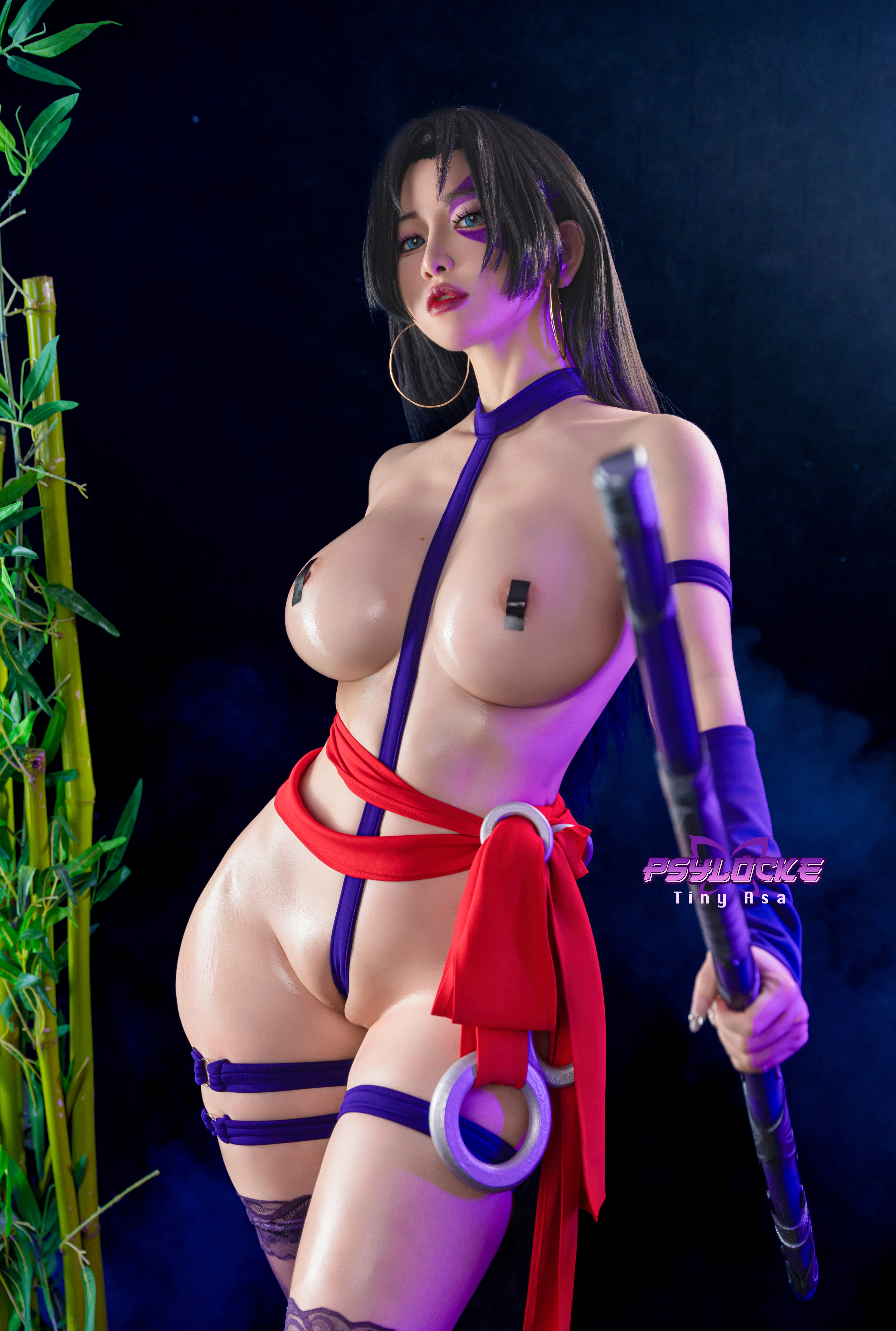
Psylocke first appeared in X-Men #120 (1979), created by writer Chris Claremont and artist John Byrne, as a British telepathic assassin sent to infiltrate the X-Men. Originally named Betsy Braddock, she was a member of the British superhero team Excalibur, reflecting her cultural roots and distinct identity within Marvel’s predominantly American roster. Her character was designed to contrast with traditional X-Men, offering a fusion of Eastern and Western influences—her psychic abilities drew from telepathy, while her combat skills were inspired by martial arts, particularly krav maga and ninjutsu.
Psylocke’s evolution in comics reflects broader shifts in Marvel storytelling. In the Age of Apocalypse (1995–1996) alternate timeline, she became a key figure as Lady Deathstrike, a cybernetically enhanced villain, showcasing the character’s versatility. Her return to mainstream continuity in X-Force (2004–2008) under writer Peter Milligan further solidified her as a lethal, morally ambiguous operative. Later arcs, such as Schism (2011) and Hunt for X (2014), explored her leadership roles and psychological depth, while her bisexuality was confirmed in X-Men: Blue (2018), adding another layer to her cultural impact.
Key Story Arcs and Media Adaptations Shaping Psylocke’s Legacy
Psylocke’s journey across comics, films, and television has created multiple visual and narrative interpretations, each influencing how cosplayers approach her character. Below is a timeline of pivotal moments in her history:
Table of Contents
- The Cultural and Fandom Significance of Psylocke in Cosplay: A Deep Dive into a Marvel Icon
- Origins and Evolution of Psylocke in Marvel Comics
- Key Story Arcs and Media Adaptations Shaping Psylocke’s Legacy
- Visual and Stylistic Variations Across Media: A Comparative Analysis
- Fan Theories and Debates Shaping Psylocke’s Cosplay Interpretations
- The Art and Craft of Psylocke Nude Cosplay: Materials, Techniques, and Safety
- Materials for Realistic Nude Psylocke Cosplay: A Comparative Analysis
- 1979: Debut in X-Men #120 as Betsy Braddock, a British telepathic assassin. - 1986: Joins Excalibur, further establishing her as a non-American Marvel heroine. - 1995: Appears in Age of Apocalypse as Lady Deathstrike, a cybernetic villain. - 2004: Returns in X-Force, adopting the Psylocke identity permanently. - 2006: X-Men: The Last Stand features Psylocke (portrayed by Olivia Munn) in her classic red-and-black costume. - 2014: X-Men: Days of Future Past introduces Betsy Braddock (portrayed by Jessica Chastain), blending her classic and modern iterations. - 2017: X-Men: Apocalypse revisits Lady Deathstrike, expanding her villainous arc. - 2018: Confirmation of her bisexuality in X-Men: Blue, marking a milestone in LGBTQ+ representation.
These adaptations have not only diversified Psylocke’s roles but also created distinct visual templates for cosplayers. The classic red-and-black suit, the cybernetic Lady Deathstrike armor, and the modern Betsy Braddock outfit from Days of Future Past each offer unique design challenges and fan favorites.
Visual and Stylistic Variations Across Media: A Comparative Analysis
Psylocke’s appearance has undergone significant transformations, each reflecting the artistic and narrative priorities of their respective eras. The table below compares her key visual traits across comics, films, and television, illustrating how these variations influence cosplay choices.
| Era | Media | Costume Design | Key Visual Traits | Cultural Impact |
|---|---|---|---|---|
| 1980s–1990s | Comics (X-Men, Excalibur) | Red-and-black bodysuit with white gloves, often paired with a cape or martial arts attire. | Elongated limbs, sharp facial features, and a mix of Western and Eastern aesthetics (e.g., ninja-inspired elements). | Established Psylocke as a non-American X-Men member, emphasizing her British and psychic identity. |
| Live-Action (X-Men: The Last Stand, 2006) | Red bodysuit with black accents, white gloves, and a sleek, streamlined design. | Olivia Munn’s portrayal emphasized agility and lethality, with a more "action-hero" aesthetic. | Brought Psylocke to mainstream audiences but faced criticism for deviating from her comic book roots. | |
| Animation (X-Men: The Animated Series, 1992) | Red-and-black bodysuit with a hooded cape, resembling a ninja or assassin. | Exaggerated psychic energy effects (e.g., glowing hands) and a more mystical presence. | Influenced later cosplay interpretations, particularly among fans of animated adaptations. | |
| 2010s | Live-Action (X-Men: Days of Future Past, 2014) | Betsy Braddock’s modern outfit: black-and-red bodysuit with a high collar, white gloves, and a cybernetic arm. | Jessica Chastain’s portrayal blended classic Psylocke elements with a futuristic, cyber-enhanced look. | Reintroduced Psylocke to a new generation, merging her past and future identities. |
| Comics (Age of Apocalypse, 2017–2018) | Lady Deathstrike’s cybernetic armor: black-and-red exoskeleton with glowing eyes and mechanical enhancements. | Dark, dystopian aesthetic with a focus on her villainous transformation. | Expanded her role beyond heroism, appealing to fans of morally complex characters. |
Cosplayers often gravitate toward specific eras based on personal preferences—whether it’s the classic assassin look, the futuristic Betsy Braddock, or the cybernetic Lady Deathstrike. These variations also reflect broader trends in cosplay, such as the demand for character-driven designs over generic superhero outfits and the appeal of non-traditional heroines in pop culture.
Fan Theories and Debates Shaping Psylocke’s Cosplay Interpretations
Psylocke’s character has sparked numerous fan theories and debates, influencing how cosplayers approach her portrayal. Key discussions include:
- British Identity vs. American Assimilation: Many fans debate whether Psylocke’s British heritage is preserved in adaptations. Her accent, cultural references, and even her name (Betsy vs. Psylocke) have been points of contention, with some cosplayers emphasizing her non-American roots through accessories like Union Jack elements or British-inspired weaponry. - Warrior vs. Psychic: Psylocke’s dual nature as both a martial artist and a telepath creates a divide in fan interpretations. Some cosplayers focus on her lethal combat skills, incorporating weapons like katanas or nunchaku, while others highlight her psychic abilities with glowing effects or energy-based props. - Bisexuality and Representation: The confirmation of her bisexuality in X-Men: Blue has led to increased LGBTQ+ representation in Psylocke cosplay. Fans often incorporate symbols of pride (e.g., rainbow accents) or create thematic dioramas exploring her relationships, such as her dynamic with Emma Frost or Captain Britain. - Lady Deathstrike’s Villainous Appeal: The *Age of Ap
The Art and Craft of Psylocke Nude Cosplay: Materials, Techniques, and Safety
Psylocke, the telepathic and empathic mutant from Marvel Comics, embodies a unique blend of mysticism, strength, and vulnerability—qualities that make her a compelling figure for nude cosplay. Achieving her iconic appearance requires a meticulous approach to materials, techniques, and safety protocols. From body paint that mimics her psychic energy to prosthetics that enhance her elongated features, every detail contributes to the illusion. This section explores the tools, methods, and precautions essential for cosplayers aiming to replicate Psylocke’s signature nude look while prioritizing realism, durability, and ethical execution.
Materials for Realistic Nude Psylocke Cosplay: A Comparative Analysis
Creating a convincing nude Psylocke cosplay demands high-quality materials tailored to her distinct aesthetic—subtle scars, glowing psychic energy effects, and a refined muscular structure. Below is a detailed breakdown of essential materials, categorized into budget-friendly and professional-grade options, along with their pros, cons, and suitability for different skill levels.
"The choice of materials directly impacts the longevity, comfort, and realism of the cosplay. Professional-grade products often require an investment but yield superior results, especially for complex effects like energy trails or detailed prosthetics."
| Material Category | Budget-Friendly Option | Professional-Grade Option | Key Differences |
|---|---|---|---|
| Body Paint |
|
|
|
| Prosthetics |
|
|
|
| Wigs |
|
|
|
| Contact Lenses |
|
|
|
| Adhesives and Sealants |
|
Leave a Comment
Comments are moderated before appearing. The data you submit is processed according to the Privacy Policy of Avecplaisirs.