paula deanda nude Premium Unlocked Exposed Digital Trends
The digital era has redefined fame, turning private moments into global phenomena overnight. Paula Deanda’s ascent from an emerging social media figure to a dominant force in adult entertainment exemplifies how algorithms, influencer culture, and monetized content reshape celebrity. Her transition from Instagram virality to premium subscription platforms like OnlyFans mirrors broader shifts in how creators leverage digital autonomy, blending personal branding with commercial success. Yet, behind the curated feeds and paywalled exclusivity lies a complex web of leaks, ethical debates, and technological battles—where every click, share, or hack alters the landscape.
At the heart of this evolution is the concept of "premium unlocked" content, a double-edged sword that fuels both creator revenue and piracy risks. While platforms like OnlyFans and custom domains offer tiered access to exclusive material, unauthorized leaks and hacking attempts constantly test the boundaries of digital ownership. Paula Deanda’s case serves as a microcosm of these tensions: her rise symbolizes the power of direct-to-fan monetization, while her leaked content exposes vulnerabilities in an industry built on trust and exclusivity. Understanding this dynamic requires dissecting not just the technology behind paywalls, but also the cultural and psychological drivers that turn curiosity into piracy—and fame into controversy.

The Rise of Paula Deanda: From Viral Fame to Digital Icon

Paula Deanda’s ascent from an emerging figure in adult entertainment to a dominant force in digital content mirrors the rapid transformation of online fame in the 21st century. Her journey reflects broader shifts in influencer culture, monetization strategies, and the intersection of privacy with public exposure. Unlike traditional celebrities, Deanda’s rise was fueled by the democratization of content creation, where platforms like Instagram, OnlyFans, and niche adult forums became gateways to global recognition. This evolution was not merely about visibility but also about redefining agency—how creators like Deanda leverage their digital presence to dictate terms, challenge industry norms, and engage with audiences in unprecedented ways.
The trajectory of her career highlights the role of algorithmic amplification, where early viral moments on social media triggered exponential growth. Her ability to adapt to changing digital landscapes—from the rise of subscription-based platforms to the ethical debates surrounding deepfake technology—positions her as a case study in modern digital entrepreneurship. Below, an analysis of her origins, strategic pivots, and the cultural currents that shaped her influence.
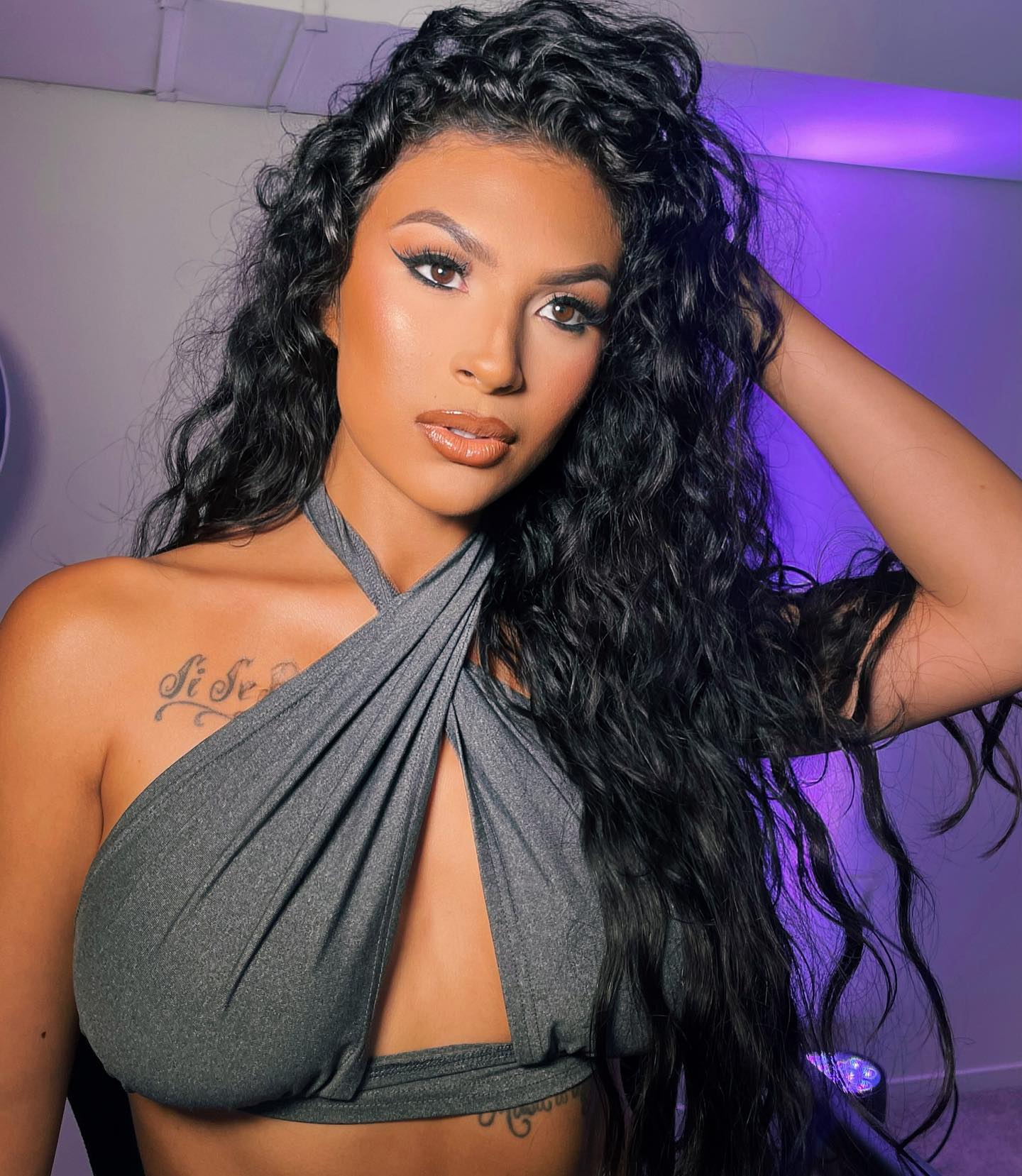
Origins of Paula Deanda’s Online Presence and Early Platforms
Paula Deanda’s digital footprint began in the mid-2010s, a period marked by the explosion of visual-centric social media platforms. Unlike predecessors who relied on traditional adult entertainment channels, Deanda capitalized on the anonymity and accessibility of Instagram, which initially allowed her to cultivate a following without immediate industry ties. Her early content on Instagram (launched in 2013) focused on curated, high-quality imagery that emphasized aesthetic appeal over explicit material, a strategy that distinguished her from contemporaries who leaned heavily into hardcore adult content.
The shift to OnlyFans in 2018 marked a pivotal moment. OnlyFans’ subscription model—introduced in 2016—aligned perfectly with Deanda’s monetization goals, offering a direct revenue stream from dedicated fans willing to pay for exclusive content. This platform’s growth paralleled the broader trend of creators bypassing traditional media gatekeepers, a phenomenon accelerated by the COVID-19 pandemic, which drove more users toward digital subscriptions. By 2020, OnlyFans had become synonymous with adult content creation, and Deanda’s profile on the platform amassed hundreds of thousands of subscribers, solidifying her status as a top earner in the industry.
Table of Contents
- The Rise of Paula Deanda: From Viral Fame to Digital Icon
- Origins of Paula Deanda’s Online Presence and Early Platforms
- Timeline of Key Career Milestones and Industry Transition
- Comparative Analysis of Paula Deanda’s Social Media Profiles
- Cultural and Technological Trends Shaping Deanda’s Digital Footprint
- Premium Unlocked Content: Mechanisms, Risks, and Ethical Implications in Digital Platforms
- Technical Framework of Premium Unlocked Content: Payment, Verification, and Access Control
- Digital Rights Management and Access Restrictions: How Platforms Protect Premium Content
- The Technology Behind "Premium Unlocked": Leaks, Hacks, and Workarounds in Adult Content Distribution
- Data Breaches and Leaks as Gateways to Premium Content
- Methods Used by Hackers to Extract and Distribute Premium Content
- Comparison of Legal and Illegal Methods to Access Premium Content
Her transition to other platforms, such as ManyVids and private forums, further diversified her reach. ManyVids, for instance, provided a more community-driven space where fans could engage with her content through comments and discussions, fostering a sense of exclusivity. Meanwhile, her presence in underground forums—often accessed via invite-only links—highlighted the duality of her digital identity: a publicly accessible figure with a tightly controlled, high-paying inner circle.
Timeline of Key Career Milestones and Industry Transition
Paula Deanda’s career can be segmented into distinct phases, each corresponding to shifts in platform dominance, audience expectations, and industry trends. Below is a chronological breakdown of her most influential moments:
- 2015–2016: Instagram Breakthrough Deanda’s Instagram account (@pauladeanda) gained traction through a mix of semi-explicit content and lifestyle posts, leveraging the platform’s early influencer culture. Her follower count grew steadily, reaching 50,000 by 2016, fueled by shares and reposts from adult content communities. This period established her as a relatable yet aspirational figure, blending personal branding with adult entertainment.
- 2017: Expansion to Adult-Focused Platforms Recognizing the limitations of Instagram’s algorithm for monetization, Deanda began posting on adult-specific sites like Clips4Sale and FanCentro. These platforms allowed her to offer pay-per-view content, catering to a niche audience willing to pay for direct access. This phase also saw her experimenting with live streaming, a format that would later become central to her engagement strategy.
- 2018–2019: OnlyFans Dominance and Subscription Economy The launch of her OnlyFans page in early 2018 coincided with the platform’s rapid scaling. Within a year, she surpassed 200,000 subscribers, a feat attributed to her consistent upload schedule, interactive polls, and behind-the-scenes content. This period also introduced her to the concept of "premium tiers," where fans could pay for VIP access to exclusive videos, further maximizing her earnings.
- 2020–2021: Diversification and Brand Collaborations The pandemic accelerated Deanda’s shift toward brand partnerships and sponsored content. She collaborated with adult toy companies (e.g., LELO, We-Vibe) and non-adult brands targeting the "ethical" or "lifestyle" segments of her audience. This diversification reduced her reliance on any single platform and expanded her appeal beyond adult entertainment purists.
- 2022–Present: AI, Deepfakes, and Digital Autonomy The emergence of AI-generated deepfake technology introduced new challenges and opportunities. Deanda became a vocal figure in debates about digital ownership, advocating for stricter content moderation while exploring how AI could enhance her content offerings (e.g., personalized deepfake interactions for patrons). This era also saw her launching limited-edition NFT collections, blending adult content with blockchain technology—a move that underscored her adaptability in an evolving digital economy.
Comparative Analysis of Paula Deanda’s Social Media Profiles
Deanda’s multi-platform strategy has allowed her to tailor content to each audience’s preferences, from casual browsers to hardcore fans. Below is a comparative table of her most influential profiles, highlighting key metrics and platform-specific features:
| Platform | Launch Date | Follower/Subscriber Count (as of 2023) | Content Focus | Monetization Model | Notable Features |
|---|---|---|---|---|---|
| Instagram (@pauladeanda) | 2015 | 1.2M+ followers | Semi-explicit imagery, lifestyle content, teasers | Brand sponsorships, affiliate links, Instagram Live (tips) | Highly curated aesthetic; limited explicit content due to platform restrictions. Used for driving traffic to other platforms. |
| OnlyFans | 2018 | 350,000+ subscribers (peak) | Exclusive videos, live streams, personalized messages | Subscription-based ($20–$50/month tiers) | High upload frequency; interactive polls and Q&A sessions. Introduced "VIP" tiers for additional revenue. |
| ManyVids | 2019 | 150,000+ subscribers | Pay-per-view videos, community discussions | Subscription + pay-per-video ($5–$20 per clip) | Fan-driven engagement; lower barrier to entry compared to OnlyFans. Used for archival content. |
| Twitter/X (@pauladeanda) | 2017 | 800K+ followers | Teasers, industry commentary, memes, fan interactions | Tipping (via Cash App, PayPal), sponsored tweets | Direct communication with fans; used for promoting other platforms and sharing personal updates. |
| Private Forums (e.g., Reddit, Discord) | 2020 | Invite-only (estimated 50K+ members) | Exclusive leaks, fan art discussions, AMAs | Donation-based (Patreon, PayPal) | Highly engaged community; used for testing new content and building loyalty. |
Cultural and Technological Trends Shaping Deanda’s Digital Footprint
The rise of Paula Deanda is inextricably linked to three major cultural and technological shifts:
1. Influencer Culture and the Gig Economy The gig economy’s expansion into adult entertainment allowed Deanda to treat her content as a scalable business. Platforms like OnlyFans democratized monetization, enabling creators to earn income without
Premium Unlocked Content: Mechanisms, Risks, and Ethical Implications in Digital Platforms
The concept of "premium unlocked" content has reshaped the digital economy, particularly within adult entertainment, creator monetization, and exclusive media distribution. Unlike traditional free or tiered subscription models, premium unlocked content operates on a pay-per-access or subscription-based gated system, where users must fulfill specific financial or verification criteria to unlock restricted material. Platforms like OnlyFans, FanCentro, or custom-built websites leverage this model to generate revenue while offering creators direct control over their brand and audience engagement. For figures like Paula Deanda, whose digital presence has transcended viral fame into a lucrative niche, premium unlocked content serves as both a revenue stream and a tool for cultivating exclusivity. However, the mechanics behind accessing such content—from payment gateways to legal protections—are often misunderstood, leading to user frustration, ethical debates, and legal gray areas.
The rise of premium content has paralleled the evolution of digital platforms, where creators bypass traditional publishing models to monetize their audience directly. Unlike tiered subscriptions (e.g., Netflix’s basic vs. premium tiers), premium unlocked content typically follows a one-time purchase, recurring subscription, or tip-based system, where access is granted immediately upon payment or verified membership. This model prioritizes direct creator-fan interaction, reducing intermediary cuts while increasing revenue potential. However, the technical and logistical layers—such as DRM integration, geo-blocking, and fraud prevention—add complexity, often resulting in user complaints or exploitation risks. Below, a structured breakdown explores how premium unlocked content functions, its technical safeguards, common misconceptions, and the ethical dilemmas surrounding its distribution.
Technical Framework of Premium Unlocked Content: Payment, Verification, and Access Control
The user journey from discovering premium content to accessing it involves multiple steps, each governed by technical protocols and platform policies. Unlike free content, which relies on organic reach, premium material requires explicit financial transactions, identity verification, and digital authentication to ensure secure delivery. Below is a step-by-step flowchart of the typical user journey, followed by a technical deep dive into payment processing, verification, and access restrictions.
-
Discovery Phase
- Users encounter premium content through platform recommendations, social media ads, or influencer promotions (e.g., OnlyFans’ "Discover" tab, third-party aggregators).
- Teaser content (e.g., previews, behind-the-scenes clips) is often free to hook potential subscribers.
- Platforms like OnlyFans use algorithm-driven suggestions based on user interaction history, increasing conversion rates.
-
Subscription or Purchase Decision
- Users evaluate pricing tiers (e.g., monthly vs. annual subscriptions, pay-per-message, or one-time unlocks for specific content).
- Platforms may offer discounts for longer commitments (e.g., 20% off annual plans) to encourage recurring revenue.
- Some creators use limited-time offers (e.g., "24-hour exclusive access") to create urgency.
-
Payment Processing
- Transactions occur via integrated gateways (Stripe, PayPal, cryptocurrency, or platform-specific wallets like OnlyFans’ in-app payments).
- Fraud detection systems (e.g., chargeback monitoring, IP geolocation checks) may flag suspicious activity, delaying access.
- Cryptocurrency (e.g., Bitcoin, Ethereum) is increasingly used for anonymous or cross-border transactions, though it introduces non-refundable and irreversible payment risks.
-
Account Verification
- New users often undergo email/phone verification to prevent fake accounts.
- Some platforms require age verification (e.g., ID scans for adult content) to comply with COPPA (Children’s Online Privacy Protection Act) and regional laws.
- Two-factor authentication (2FA) may be enforced for high-value subscriptions to prevent unauthorized access.
-
Content Unlocking and Delivery
- Access is granted via unique login credentials, encrypted links, or platform-specific apps (e.g., OnlyFans’ mobile app).
- Digital Rights Management (DRM) technologies (e.g., Widevine, FairPlay) restrict content playback to authorized devices.
- Some platforms use tokenized access, where each download or stream generates a one-time-use code to prevent sharing.
-
Post-Access Engagement
- Creators may monitor activity (e.g., views, messages) to tailor future content or offer VIP perks (e.g., early access, personalized videos).
- Automated emails or in-app notifications remind users of renewal deadlines or upcoming exclusive drops.
- Some platforms enable user-generated content moderation, where fans report violations (e.g., leaked links) to maintain exclusivity.
Leave a Comment
Comments are moderated before appearing. The data you submit is processed according to the Privacy Policy of Avecplaisirs.