nude women loafers Untouched Release redefines luxury footwear trends
Published
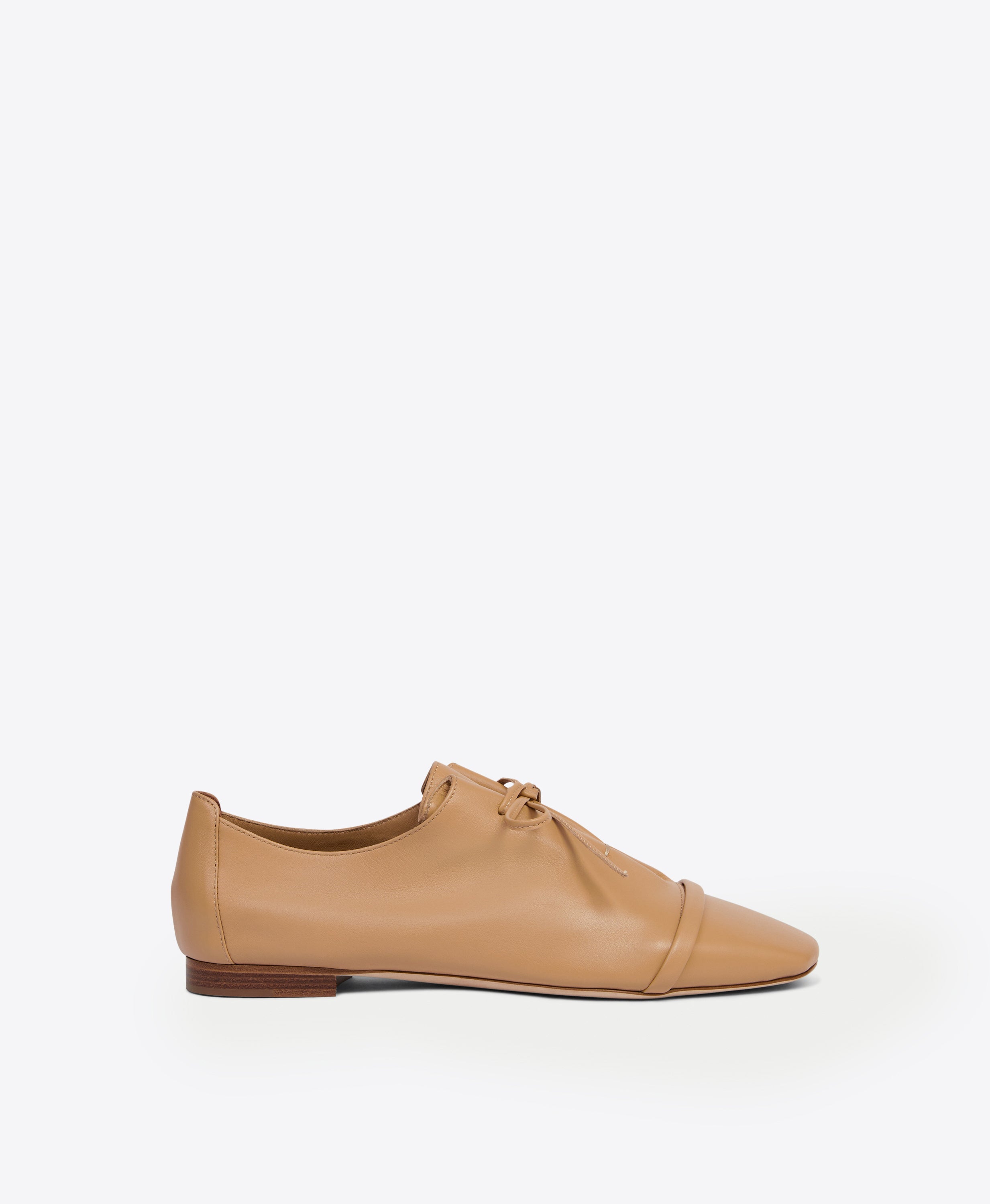
The resurgence of nude women’s loafers as a defining staple in contemporary fashion marks more than just a color choice—it reflects a cultural shift toward versatility and understated elegance. Once dismissed as too bold for professional settings, these shoes have evolved into a neutral canvas that bridges office attire, evening glamour, and avant-garde experimentation. From the minimalist slip-ons of the 1990s to the architectural marvels of today’s limited-edition drops, nude loafers now dominate runways and street style alike, proving their adaptability across eras.
At the heart of this trend lies the allure of the "Untouched Release," where exclusivity fuels demand in an industry increasingly obsessed with scarcity. Brands leverage limited editions, collaborations, and pre-order models to create urgency, tapping into the psychological appeal of owning something rare. Yet beyond hype, the craftsmanship behind these loafers—from gradient color-matching techniques to sustainable materials—elevates them from fleeting trends to timeless investments. This exploration dissects how nude loafers blend artistry, strategy, and cultural relevance, while uncovering the secrets behind their untouchable appeal.
The Resurgence of Nude Women’s Loafers as a Versatile Fashion Staple
The nude women’s loafer has transcended its classic status to become a defining element in contemporary footwear, embodying both timeless elegance and modern adaptability. Historically, neutral-toned shoes have played a pivotal role in fashion cycles—appearing as subtle power statements in the 1960s, evolving into bold minimalist declarations in the 1990s, and now dominating runways and street style as a symbol of effortless sophistication. Unlike fleeting trends, nude loafers have endured due to their ability to seamlessly transition between professional boardrooms, casual outings, and avant-garde ensembles. Their cultural significance lies in their duality: they serve as a blank canvas for personal expression while maintaining an understated authority, making them a favorite among fashion-forward individuals seeking versatility without compromise.
The loafer’s journey from conservative office staple to high-fashion icon reflects broader shifts in gender norms and workplace attire. In the 1950s, brands like Manolo Blahnik and Salvatore Ferragamo popularized loafers as a symbol of feminine professionalism, often paired with tailored suits. By the 2000s, designers like Christian Louboutin and Jimmy Choo reimagined them with metallic finishes and embellishments, catering to a new generation of women who demanded both luxury and individuality. Today, nude loafers are no longer confined to traditional silhouettes; they appear in chunky, platform, and even sustainable materials, proving their adaptability to evolving tastes.
Historical Evolution of Nude Loafers Across Decades
The trajectory of nude loafers mirrors broader fashion revolutions, from conservative corporate aesthetics to rebellious avant-garde statements. Below is a comparative timeline highlighting key eras, design innovations, cultural impacts, and the brands that shaped their legacy.
Era
Design Features
Cultural Impact
Key Brands
1950s–1960s
Structured leather uppers with minimal hardware (e.g., tassel details).
Nude tones paired with patent leather or suede for contrast.
Low block heels or flat soles for workplace comfort.
Symbolized feminine professionalism in post-war corporate culture. The "Mad Men" aesthetic embraced loafers as a polished alternative to pumps.
Manolo Blahnik (e.g., the Original Blahnik)
Salvatore Ferragamo
Roger Vivier
1970s–1980s
Wider toe boxes and chunkier soles for bohemian or sporty vibes.
Metallic accents (silver, gold) introduced to nude bases.
Slip-on designs with elastic gores for ease.
Loafers became a unisex symbol of rebellion against rigid fashion norms. Disco culture and punk influences led to bolder, more experimental designs.
Gucci (e.g., Bamboo Loafer)
Tory Burch (early prototypes)
Stuart Weitzman
1990s–2000s
Minimalist nude loafers with sleek, elongated shapes.
Integration of transparent materials (e.g., plastic soles).
Customizable color blocks (e.g., nude + neon accents).
Minimalism dominated as loafers became a staple in the "preppy revival." Celebrities like Gwyneth Paltrow and Sarah Jessica Parker popularized them as a go-to for red carpets and casual chic.
Limited-edition collaborations (e.g., Balenciaga x Nike, Prada x Adidas).
Nude loafers now represent inclusivity and innovation. The rise of "quiet luxury" and digital-native fashion (e.g., Dolce & Gabbana’s virtual loafers) has redefined their role in both IRL and virtual spaces.
Prada (e.g., Re-Edition Loafers)
Balenciaga
Veja
Stella McCartney (sustainable lines)
The table illustrates how nude loafers have consistently reinvented themselves while retaining core elements—neutral tones, slip-on convenience, and understated luxury. Each era’s designs reflect the socio-cultural zeitgeist, from the corporate feminism of the 1950s to the digital-age individualism of today.
The Psychological Allure of "Untouched" Footwear Releases
The concept of an "Untouched Release"—whether through limited-edition drops, exclusive collaborations, or brand-new prototypes—taps into deep-seated psychological triggers in consumer behavior. In the footwear market, exclusivity is not merely a marketing tactic but a status symbol that aligns with principles of scarcity and aspirational luxury. When a brand unveils a loafer that is never to be replicated (or only available in minuscule quantities), it creates a sense of urgency and prestige, akin to collecting rare art or vintage wines.
Neuroscientific studies on loss aversion (a theory by Daniel Kahneman) suggest that consumers value items more highly when they perceive them as irreplaceable. For example, Balenciaga’s Triple S Loafer, released in limited quantities, sold out within hours, with resale prices exceeding the original MSRP by 300–500%. This phenomenon extends beyond luxury brands: even mid-tier labels like Sam Edelman leverage "untouched" narratives by positioning their loafers as seasonal exclusives, encouraging repeat purchases under the guise of FOMO (Fear of Missing Out).
The hype cycle in footwear is further amplified by influencer culture and social proof. When a celebrity like Hailey Bieber or Ariana Grande wears a newly released loafer, it triggers a bandwagon effect, where consumers associate the shoe’s value with its cultural cachet. Brands exploit this by: - Teasing drops through cryptic social media posts (e.g., Prada’s "Miu Miu" loafer previews). - Gamifying access via lottery systems or VIP memberships (e.g., Golden Goose’s "Untouched" collaborations
Design and Material Innovations in Nude Women’s Loafers
The evolution of nude women’s loafers transcends mere color coordination—it embodies a fusion of technical precision, luxury material science, and bespoke craftsmanship. Achieving the elusive "nude" hue requires meticulous color-matching techniques that defy mass production standards, while high-end materials redefine durability, texture, and aesthetic sophistication. From gradient finishes that mimic natural skin tones to hybrid soles engineered for both comfort and visual impact, these innovations position nude loafers as a pinnacle of contemporary footwear design. Brands like Gucci, Prada, and Bottega Veneta exemplify how technical advancements—paired with artisanal expertise—elevate nude loafers from versatile staples to wearable art.
Technical Color-Matching Techniques for Seamless Nude Finishes
The illusion of a "nude" loafer relies on color-matching strategies that adapt to diverse skin undertones, ensuring the shoe appears invisible when worn. Gradient and ombré techniques create depth by blending lighter and darker shades along the shoe’s surface, mimicking natural variations in skin tone. For instance, a loafer may transition from a warm beige at the toe to a softer taupe near the heel, accommodating different lighting conditions. Matte and gloss finishes further refine the effect: matte textures diffuse light to soften edges, while glossy accents add subtle sheen, replicating the luminosity of skin. High-end brands employ spectrophotometry—a color-measurement technology—to calibrate shades with precision, often using proprietary palettes like Prada’s "Nude Neutral" or Gucci’s "Skin Tone Spectrum", which are curated to align with global diversity in undertones.
"The art of nude footwear lies in its ability to disappear—yet remain the focal point through texture and craftsmanship."
— Bottega Veneta’s Creative Director, Daniel Lee
To achieve consistency, designers collaborate with color chemists who formulate pigments resistant to fading under UV light or temperature fluctuations. For example, Bottega Veneta’s "Nude Suede" incorporates micro-encapsulated dyes that preserve hue integrity over time. Meanwhile, Gucci’s patent leather nude loafers use a multi-layer lamination process, where up to seven thin coats of pigment are applied to avoid streaking—a flaw common in fast-fashion imitations.
Premium Materials: From Patent Leather to Sustainable Alternatives
The material composition of nude loafers dictates their longevity, comfort, and exclusivity. Patent leather, a staple in luxury loafers, delivers a high-gloss finish achieved through a polyurethane coating that reflects light uniformly. Brands like Prada use hand-buffed patent leather with a 24-hour drying process to eliminate bubbles, ensuring a flawless surface. Suede, another favored material, offers a velvety texture but requires sandblasting or laser-etching to achieve a consistent nude hue without patchiness. High-end suede loafers, such as those from Bottega Veneta, are treated with silk-based finishes to repel moisture while maintaining breathability.
Emerging trends prioritize sustainability, with vegan leather made from pineapple fiber (Piñatex), mushroom mycelium, or recycled polyester gaining traction. Gucci’s 2023 "Nude Loafer" collection featured a lab-grown leather alternative infused with algae-based dyes, which mimic the organic tones of traditional leather while reducing environmental impact. Metallic fabrics, such as chrome-coated nylon or hammered gold suede, introduce a futuristic edge to nude loafers, often seen in Prada’s avant-garde collaborations. These materials are paired with 3D-knit linings for ergonomic support, demonstrating how innovation extends beyond aesthetics to functionality.
"The future of nude footwear lies in materials that are as ethical as they are elegant—where sustainability doesn’t compromise on luxury."
— Sustainable Materials Report, Vogue Business (2023)
Sole Designs: Balancing Aesthetics and Functionality
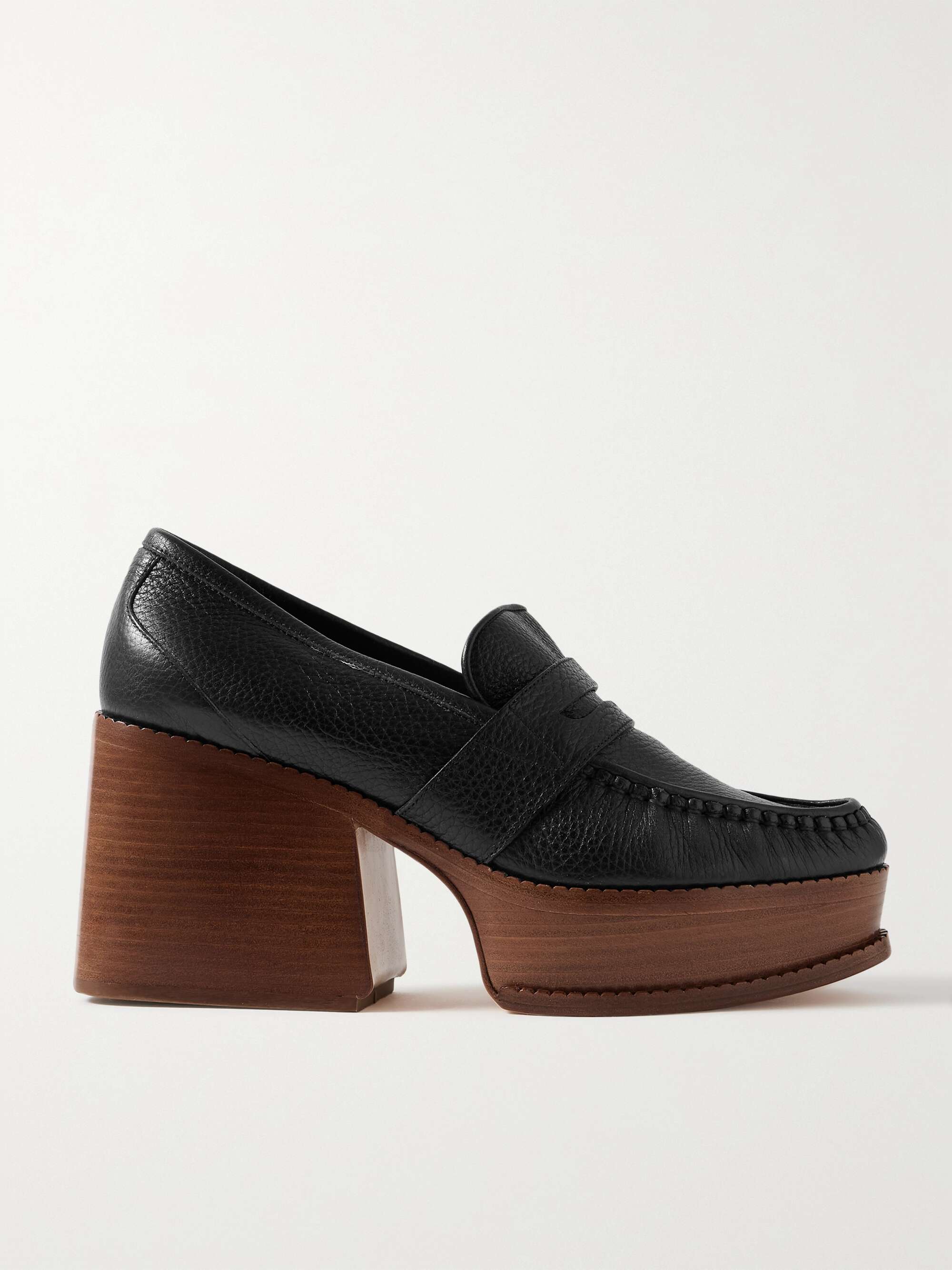
The sole of a nude loafer serves as both a structural foundation and a design statement. Rubber soles, the most common, offer durability and grip, with tread patterns subtly influencing the shoe’s silhouette. Gucci’s "Horsebit" loafers feature a textured rubber sole with a slightly raised heel, adding visual interest while maintaining stability. Wood soles, popularized by brands like Prada, introduce an organic contrast to the sleek nude upper. Bottega Veneta’s "Nude Loafer" often uses walnut or olive wood with a hand-oiled finish, creating a warm, natural transition from upper to sole. Hybrid soles, such as carbon-fiber-reinforced rubber, combine lightweight flexibility with arch support, as seen in Balenciaga’s 2022 nude loafer collection.
The choice of sole material also affects maintenance: - Rubber soles require occasional abrasive cleaning to restore grip but resist water damage. - Wood soles demand regular oiling to prevent cracking, with some brands providing custom sole refinishing services. - Hybrid soles may incorporate self-cleaning nano-coatings to repel dirt, reducing upkeep.
Step-by-Step Guide to Identifying Genuine Nude Loafers
Distinguishing high-end nude loafers from fast-fashion replicas hinges on construction quality, material authenticity, and craftsmanship details. Below is a systematic approach to verification:
Stitching and Seams
Genuine loafers feature hand-stitched or industrial-grade lock stitching with invisible seams (e.g., Goodyear welt construction in Bottega Veneta). Fast-fashion imitations often use glued seams or loose stitching, visible upon close inspection. Examine the insole: luxury brands embed serial numbers or brand logos in a discreet location.
Hardware and Fastenings
Authentic loafers use solid brass or stainless steel hardware with precision-machined screws (e.g., Prada’s hidden eyelets). Replicas may have plastic-coated metal or misaligned buckles. Test the elasticity of the strap: high-end materials (like Gucci’s patent leather) retain shape under pressure, while cheap alternatives stretch or warp.
Texture and Material Consistency
Run fingers over the surface: genuine suede feels uniformly soft with no rough patches, while patent leather has a mirror-like sheen without streaks. Nude gradient finishes should blend seamlessly—fast-fashion often displays abrupt color lines. Press the toe box: luxury loafers use multi-density foam or cork for cushioning, whereas knockoffs may feel hollow or overly rigid.
Sole Inspection
Flip the loafer to check the sole’s weight and material. Genuine rubber soles (e.g., Gucci’s Vibram-inspired treads) have defined patterns and no plastic-like flexibility. Wood soles should show natural grain variations, not uniform dye application. Look for brand markings: luxury soles often include embossed logos or batch numbers.
Weight and Structure
Hold the loafer in one hand: authentic pieces (e.g., Bottega Veneta’s suede loafers) weigh 250–350 grams due to reinforced stitching and dense materials. Replicas are lighter and flimsier. Tap the sides: high-end loafers produce a deep, resonant sound from solid construction.
Price and Provenance
While not foolproof, price discrepancies (e.g., a "Gucci" loafer priced at 30% below retail) signal fakes. Verify through official brand websites, authorized retailers, or certifications like Bottega Veneta’s "BV Logo" authenticity tags.
Durability and Maintenance Across Materials
The lifespan of a nude loafer correlates directly with material care. Below is a comparative analysis of maintenance requirements:
Material
Durability (Years with Proper Care)
Key Maintenance Steps
Common Wear Indicators
Patent Leather
3–5 years
Use a silicone-based polish
Styling Nude Loafers: Elevating Everyday Wear to High-Fashion Versatility
Nude women’s loafers have transcended their utilitarian origins to become a cornerstone of modern wardrobes, offering seamless versatility across seasons, occasions, and personal styles. Their neutral hue acts as a blank canvas, allowing wearers to experiment with silhouettes, textures, and layering techniques without visual disruption. Whether aiming for a polished corporate aesthetic, a relaxed weekend vibe, or an evening of glamour, nude loafers adapt effortlessly—elongating legs, refining proportions, and bridging gaps between casual and formal dressing. This section explores curated outfit combinations, body-type considerations, and seasonal styling strategies, while addressing common pitfalls to ensure flawless execution. A structured table and visual transformation guide further illustrate how this staple can redefine wardrobe cohesion and confidence.
Nude loafers serve as the unsung hero of transitional styling, effortlessly shifting from boardroom to brunch to cocktail hour. The following combinations showcase their adaptability, prioritizing proportion, texture contrast, and occasion-specific details. Each look balances minimalism with intentional layering, proving that neutrality does not equate to monotony.
Minimalist Office Ensemble
A tailored high-waisted wide-leg trouser in charcoal gray paired with a crisp white silk blouse and a structured blazer in taupe. The nude loafers (preferably with a low block heel or flat sole) elongate the legs while maintaining professionalism. Accessorize with a sleek leather belt at the natural waist and a structured tote in cognac. For subtlety, opt for sheer black tights to avoid visual heaviness.
Effortless Weekend Chic
A fitted black midi dress with a wrap waist and subtle ruffle details complements nude loafers with a tassel detail for texture contrast. Layer with a cropped denim jacket and carry a woven rattan bag. Sheer black knee-high socks add edge without sacrificing comfort. This look thrives in autumn, where the loafers’ suede or leather finish harmonizes with the season’s earth tones.
Corporate Glamour
A high-slit pencil skirt in deep burgundy paired with a fitted turtleneck sweater and a fitted wool coat in camel. Nude loafers with a chunky heel elevate the silhouette, while a structured crossbody bag in patent leather adds sophistication. For a modern twist, swap the turtleneck for a draped silk blouse in ivory, ensuring the loafers remain the focal point.
Bohemian Evening Look
A flowy maxi skirt in terracotta paired with a crochet top and a long, draped cardigan in cream. Nude loafers with a round toe and minimal embellishment keep the look grounded, while layered gold jewelry and a fringe crossbody bag introduce boho flair. Sheer black stockings with delicate lace trim bridge the gap between casual and festive.
Athleisure Transition
High-waisted black leggings with a cropped oversized sweater in heather gray and a structured belt at the waist. Nude loafers with a flat sole or slight wedge transform the outfit from gym to café, while a structured backpack in neutral tones maintains functionality. For a polished finish, add a silk scarf tied loosely around the neck.
Wedding Guest Elegance
A midi slip dress in champagne with a subtle floral embroidery, paired with nude loafers featuring a delicate buckle or embroidered detail. A long duster coat in ivory and a clutch in metallic gold complete the look. The loafers’ neutral tone ensures the dress remains the centerpiece, while the coat adds a touch of winter-ready sophistication.
Edgy Urban Cool
A leather mini skirt in black paired with a fitted black turtleneck and a cropped leather jacket. Nude loafers with a chunky heel and visible stitching add grit, while layered silver necklaces and a mini backpack in black patent leather elevate the streetwear aesthetic. Sheer black thigh-high socks with a subtle sheen provide a modern edge.
Romantic Lunch Date
A pleated midi skirt in blush pink with a fitted bodysuit in black and a cropped blazer in taupe. Nude loafers with a pointed toe and a low heel elongate the legs, while a delicate gold watch and a woven basket bag add feminine touches. The loafers’ understated elegance ensures the focus remains on the soft, romantic silhouette.
Winter Layering Masterpiece
A high-waisted corduroy skirt in burgundy paired with a chunky knit turtleneck in cream and a longline wool coat in charcoal. Nude loafers with a flat sole or slight block heel provide stability, while a cashmere scarf and fingerless gloves add warmth. Sheer black knee-high socks with a ribbed texture prevent the loafers from disappearing into the outfit.
Summer Garden Party
A flowy linen midi dress in ivory with delicate embroidery, paired with nude loafers featuring a thin strap or buckle detail. A wide-brimmed hat in straw and a woven tote in natural tones complete the look. The loafers’ neutral base ensures the dress’s delicate fabrics remain the star, while the hat adds a touch of whimsy.
Styling Tips for Different Body Types: Balancing Proportions with Nude Loafers
Nude loafers possess a unique ability to refine proportions, but their impact varies based on body type, heel height, and silhouette choices. The key lies in strategic pairing to create visual harmony—whether elongating limbs, balancing broad shoulders, or defining the waist. Below are tailored recommendations for common body types, emphasizing how loafers can enhance natural assets.
Petite Frames (Under 5’4”)
Opt for loafers with a slight wedge heel (1–2 inches) to create the illusion of longer legs without sacrificing comfort. Pair with high-waisted trousers or midi skirts to elongate the torso, and avoid oversized blazers that can overwhelm. A-line dresses with a defined waist and ankle-length hems further extend the silhouette.
For petite individuals, nude loafers with a round toe and minimal detailing draw attention upward, counteracting the need for exaggerated proportions.
Tall and Slender (5’8” and Above)
Flat-soled or low-heeled nude loafers ground the frame, preventing a top-heavy appearance. Pair with wide-leg trousers or flowy maxi skirts to balance the elongated limbs, and opt for fitted tops to define the waist. Avoid overly long coats or dresses that further stretch the silhouette vertically.
Tall wearers should prioritize loafers with textured finishes (e.g., suede, brocade) to add visual weight without sacrificing elegance.
Pear-Shaped (Broader Hips)
High-waisted bottoms (trousers, skirts, or dresses) draw attention to the waist, creating a balanced silhouette. Loafers with a chunky heel or block sole add height to the lower half, while fitted tops or wrap dresses emphasize the upper body. Avoid wide-leg pants that exaggerate hip width; instead, opt for straight-leg or slightly tapered cuts.
Pear-shaped individuals benefit from loafers with metallic or embellished details, which draw the eye upward and away from the hips.
Apple-Shaped (Broader Midsection)
Darker bottoms (e.g., black or deep brown) paired with lighter tops create a vertical line, slimming the waist. Loafers with a pointed toe and thin strap elongate the legs, while high-waisted styles accentuate the smallest part of the waist. Empire waist dresses or wrap tops further define the silhouette.
Avoid wide belts or horizontal patterns that emphasize the midsection; instead, opt for vertical stripes or monochromatic layering.
Athletic Build (Broad Shoulders and Narrow Hips)
Loafers with a low block heel or flat sole balance the frame, while wide-leg or flared trousers add volume to the lower half. Cropped tops or tucked-in blouses draw attention to the waist, creating contrast. Avoid box
Untouched Releases: Exclusivity and Hype in Footwear Drops
The phenomenon of untouched footwear releases has redefined consumer behavior in the luxury and fashion industries, transforming limited-edition loafers into coveted status symbols. Brands leverage scarcity, urgency, and collaborative partnerships to cultivate hype, turning sneakers and loafers—particularly in neutral tones like nude—into highly speculative assets. This strategy extends beyond mere marketing; it creates a secondary economy where resale values often surpass retail prices, blurring the lines between fashion and investment. The rise of digital-native brands and social media has accelerated this trend, with platforms like Instagram and TikTok serving as catalysts for viral demand. However, the exclusivity-driven model also raises ethical questions about accessibility, environmental impact, and the sustainability of hype cycles.
Business Strategy Behind Untouched Releases
Untouched releases operate on a dual-pronged strategy: artificial scarcity and perceived value amplification. Brands limit production quantities, restrict distribution channels, or introduce pre-order models to create urgency, while collaborations with designers, artists, or celebrities add layers of cultural cachet. For nude loafers, this approach is particularly effective due to their versatility—appealing to both minimalist fashion enthusiasts and collectors seeking neutral-toned exclusives. Limited editions often feature unique materials, such as patented leather blends, sustainable alternatives like mushroom leather, or handcrafted details that justify premium pricing.
The psychology behind untouched releases hinges on FOMO (Fear of Missing Out) and scarcity bias, where consumers perceive limited availability as a signal of quality or desirability. Brands like Balenciaga and Louis Vuitton have mastered this by releasing drops with no prior marketing, relying instead on word-of-mouth and influencer buzz. For example, Balenciaga’s Triple S sneaker, despite its polarizing design, became a cultural phenomenon due to its untouched drops and resale market dominance. Similarly, Louis Vuitton’s collaborations—such as those with Supreme or streetwear labels—generate hype by positioning footwear as both a fashion statement and a collectible.
Case Studies of Viral Footwear Drops
The impact of untouched releases is best illustrated through high-profile case studies where scarcity directly correlates with demand spikes and secondary market frenzies.
Balenciaga Triple S (2017–Present)
The Triple S sneaker, initially released as a limited-edition drop, became a blueprint for untouched hype. Its untouched releases—often sold out within minutes—created a resale market where pairs sold for 10x retail price. The brand’s strategy of no reorders and mystery drops (e.g., "Box Logo" collaborations) ensured sustained demand. Nude variations, such as the Triple S "Ghost", capitalized on the minimalist trend while maintaining exclusivity.
Louis Vuitton x Supreme "Dad Sneaker" (2017)
Though primarily a sneaker, this collaboration demonstrated how untouched drops cross-pollinate demand across product categories. The initial release sold out instantly, with resale prices peaking at $1,600 (vs. $250 retail). Louis Vuitton later applied this model to loafers, such as the Louis Vuitton x The North Face "Denali" loafer, which saw untouched releases in limited colorways, including nude tones, driving secondary market activity.
Veja x Off-White (2020)
Veja’s collaboration with Off-White introduced untouched loafers into the sustainable fashion conversation. The Veja x Off-White "Esplar" loafer, released in a nude leather variant, sold out within hours, with resale prices reaching $400 (vs. $180 retail). The drop’s success highlighted how ethical branding could coexist with exclusivity-driven hype.
Prada x Adidas "Nudie" Loafer (2021)
Prada’s foray into loafers with Adidas combined retro aesthetics with modern minimalism. The untouched release in "Nude" colorway became an instant collector’s item, with pairs reselling for $500+ due to limited stock and high demand from sneakerheads and fashion enthusiasts alike.
Role of Social Media in Amplifying Hype
Social media platforms have become the primary drivers of untouched release hype, with Instagram, TikTok, and Weibo serving as real-time battlegrounds for visibility and urgency. Brands and influencers use these channels to tease drops, create countdowns, and leverage user-generated content (UGC) to build anticipation.
Instagram: The Visual Catalyst
Brands post cryptic images of untouched loafers with minimal context, relying on followers to decode clues (e.g., shadows, reflections). Hashtags like #UntouchedDrop or #LoaferHype aggregate demand, while Instagram Stories feature 24-hour countdowns to release times. Influencers, such as Chiara Ferragni or Aimee Song, often receive early access in exchange for promotional posts, further amplifying reach.
TikTok: The Algorithm-Driven Frenzy
TikTok’s For You Page (FYP) algorithm accelerates hype by surfacing untouched drops through sneakerhauler videos, unboxings, and resale flips. Trends like "Check My Closet" or "Sneaker Haul" turn loafers into viral commodities. For example, the Balenciaga "Track" loafer in nude went viral on TikTok after being spotted on a celebrity, leading to a 300% increase in resale listings within a week.
Weibo: The Asian Market’s Untouched Obsession
In China, platforms like Weibo drive demand for untouched loafers through live-streamed unboxings and VIP gifting culture. Brands like Gucci and Prada release limited-edition nude loafers exclusively for Chinese markets, with Taobao and Xiaohongshu becoming hubs for resale transactions. The Gucci "Horsebit" loafer in nude saw a 50% price markup in Weibo resale circles due to perceived rarity.
Influencer Marketing: The Early-Access Advantage
Micro-influencers (10K–100K followers) often receive free untouched pairs in exchange for posts, while macro-influencers (1M+ followers) secure exclusive drop codes. Brands like Common Projects (a Balenciaga subsidiary) use mystery influencer drops to generate buzz, where select creators receive untouched loafers without prior announcement.
Step-by-Step Process for Securing Rare Nude Loafers
Acquiring untouched nude loafers requires a mix of strategic planning, technological tools, and community leverage. Below is a structured approach to maximize chances of securing rare drops.
Setting Up Alerts for Drops
Use dedicated apps like SneakerNews, DropAlert, or StockX’s notification system to receive real-time alerts for untouched releases. Brands often announce drops via email newsletters (e.g., Balenciaga’s "The Edit" or Louis Vuitton’s "V-Files"), so subscribing to these is critical. For loafers, focus on seasonal drops (e.g., SS24 or FW23 collections) where nude variations are more likely to appear.
Joining VIP Waitlists and Loyalty Programs
Brands maintain exclusive waitlists for untouched releases, accessible through:
Membership programs (e.g., Louis Vuitton’s "VIP Club", Prada’s "Prada Privé").
Credit card perks (e.g., Amex Platinum holders often get early access to untouched drops).
Brand loyalty apps (e.g., Balenciaga’s "Balenciaga App" for digital invites).
For loafers, Prada’s "Prada Rewards" and Gucci’s "Gucci Vault" frequently offer untouched previews to top-tier members.
Leveraging Resale Platforms for Untouched Stock
If retail access is limited, authorized resale platforms like StockX, Grailed, or Stadium Goods Authenticated offer untouched inventory. Key strategies include:
Filtering for "untouched" listings (look for tags, boxes, and original packaging).
Setting up price alerts for desired models (e.g., Balenciaga "Track" loafer in nude).
Engaging with resellers via Discord communities (e.g., Sneaker Resale Group) for early access to unt
Nude women’s loafers in their Untouched Release form embody the intersection of luxury, innovation, and cultural storytelling, where every stitch and limited drop carries weight. From the boardroom to the red carpet, their versatility redefines neutral tones as the ultimate fashion chameleon. As brands continue to push boundaries with customization and sustainability, these loafers stand as more than footwear—they are a testament to how exclusivity and craftsmanship reshape desire in modern fashion. The question remains: in an era of mass production, why do untouched releases still captivate?

Leave a Comment
Comments are moderated before appearing. The data you submit is processed according to the Privacy Policy of Avecplaisirs.